


MULTIROTOR


Innovation and Performance for a simplified assembly.
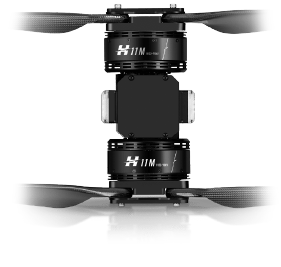
Superior efficiency, exceptional stability.
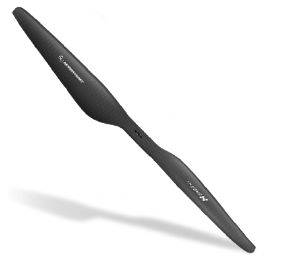
VTOL
FIXED WING
FPV





Source : HOBBYWINGDate : 28th Aug 2026
When deploying 400V~ 800V UAV propulsion systems, selecting the right flight controller is critical to ensuring stable, efficient, and reliable operation. Here are three key capabilities to consider.
The flight controller should adopt a wide-range power supply design with high-voltage isolated DC-DC conversion, meeting requirements for voltage withstand capability, voltage regulation response, and PCB creepage and insulation standards.

High-voltage propulsion systems using high-frequency switch components such as SiC and IGBT can create complex electromagnetic environments while improving system efficiency. Strong EMI immunity helps maintain accurate sensor data and reliable communication of CAN and UART.

The drone flight controller should be optimized for high-voltage propulsion through PID tuning, dynamic power management, and attitude compensation under complex conditions, enabling better integration between propulsion characteristics and flight control algorithms.
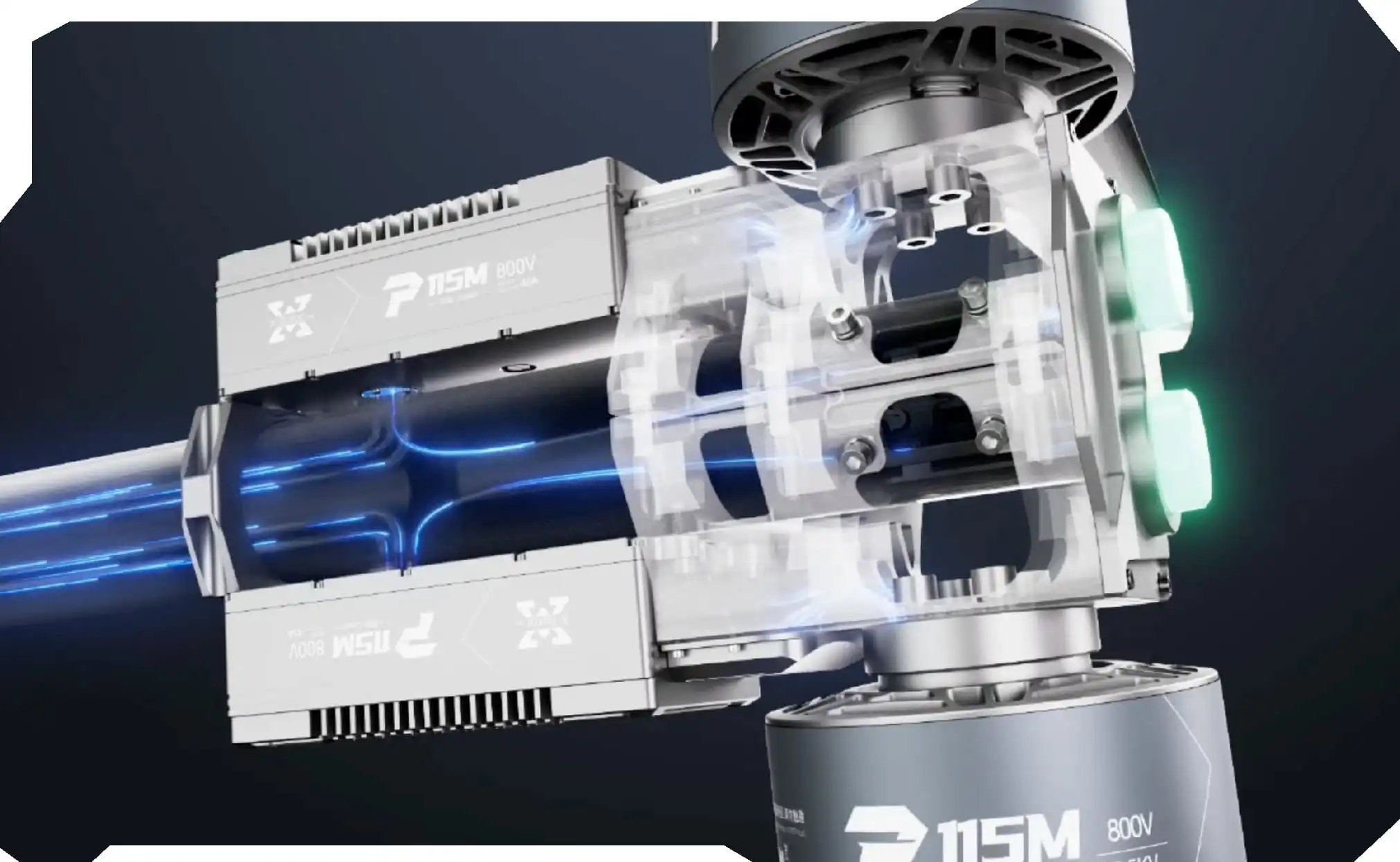
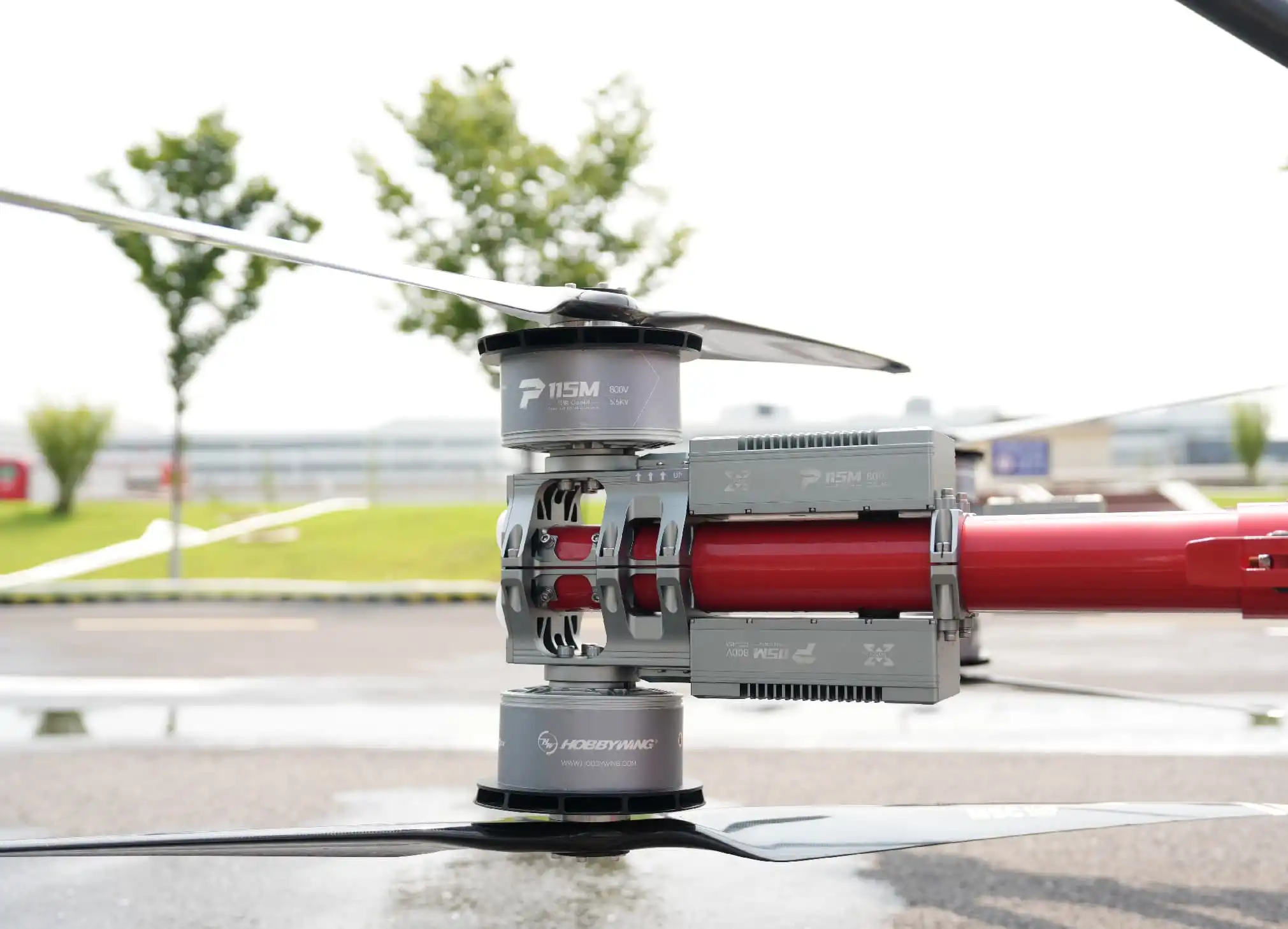
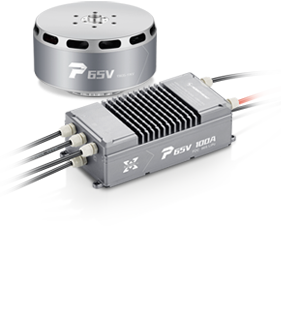
Consequently, for 400V–800V high-voltage propulsion systems such as HOBBYWING's P50M, P65M, P65V, and P115M, the flight controller requires comprehensive optimization in high-voltage power supply, EMC compatibility, and coordinated system control.
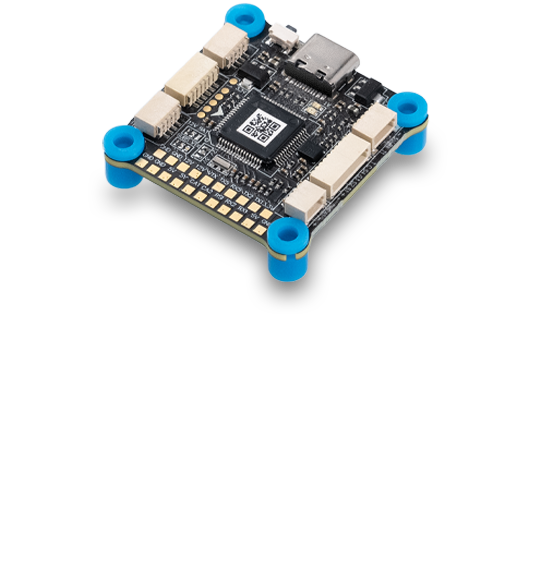
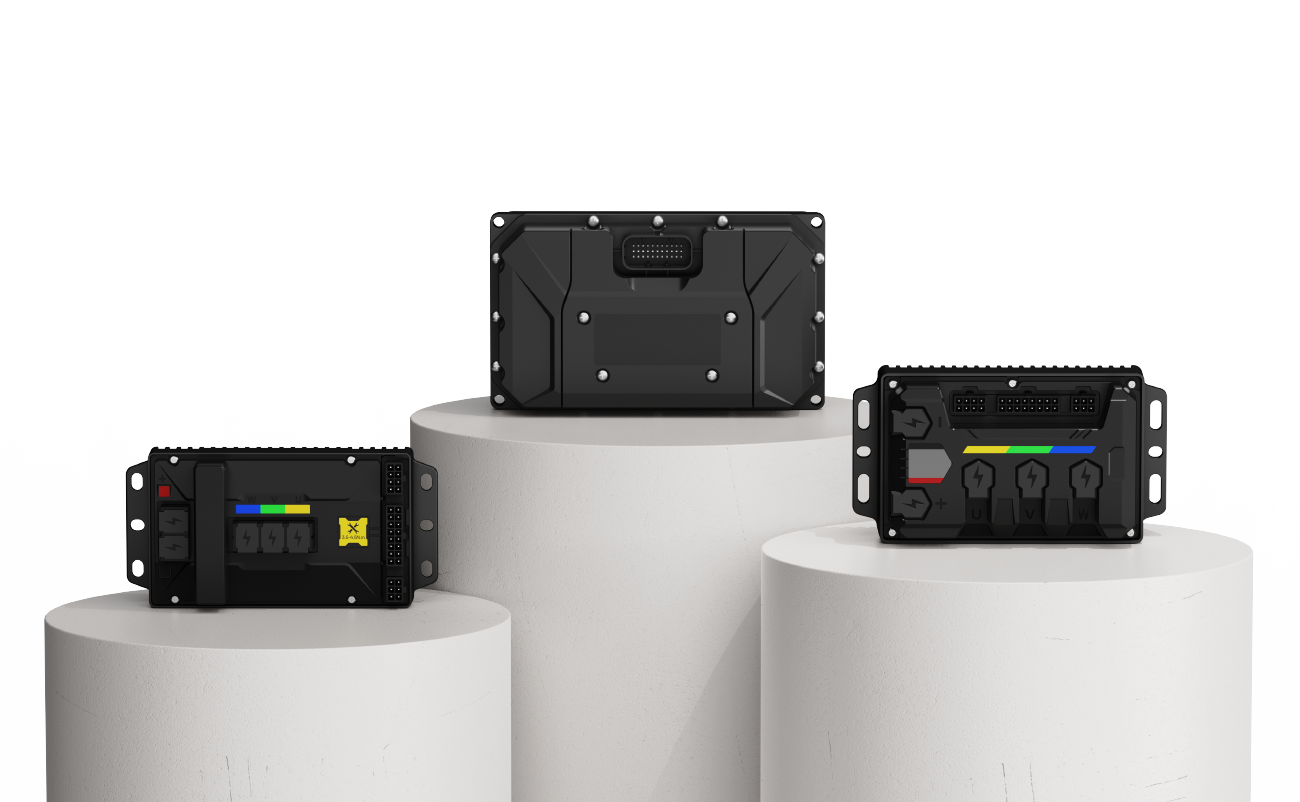
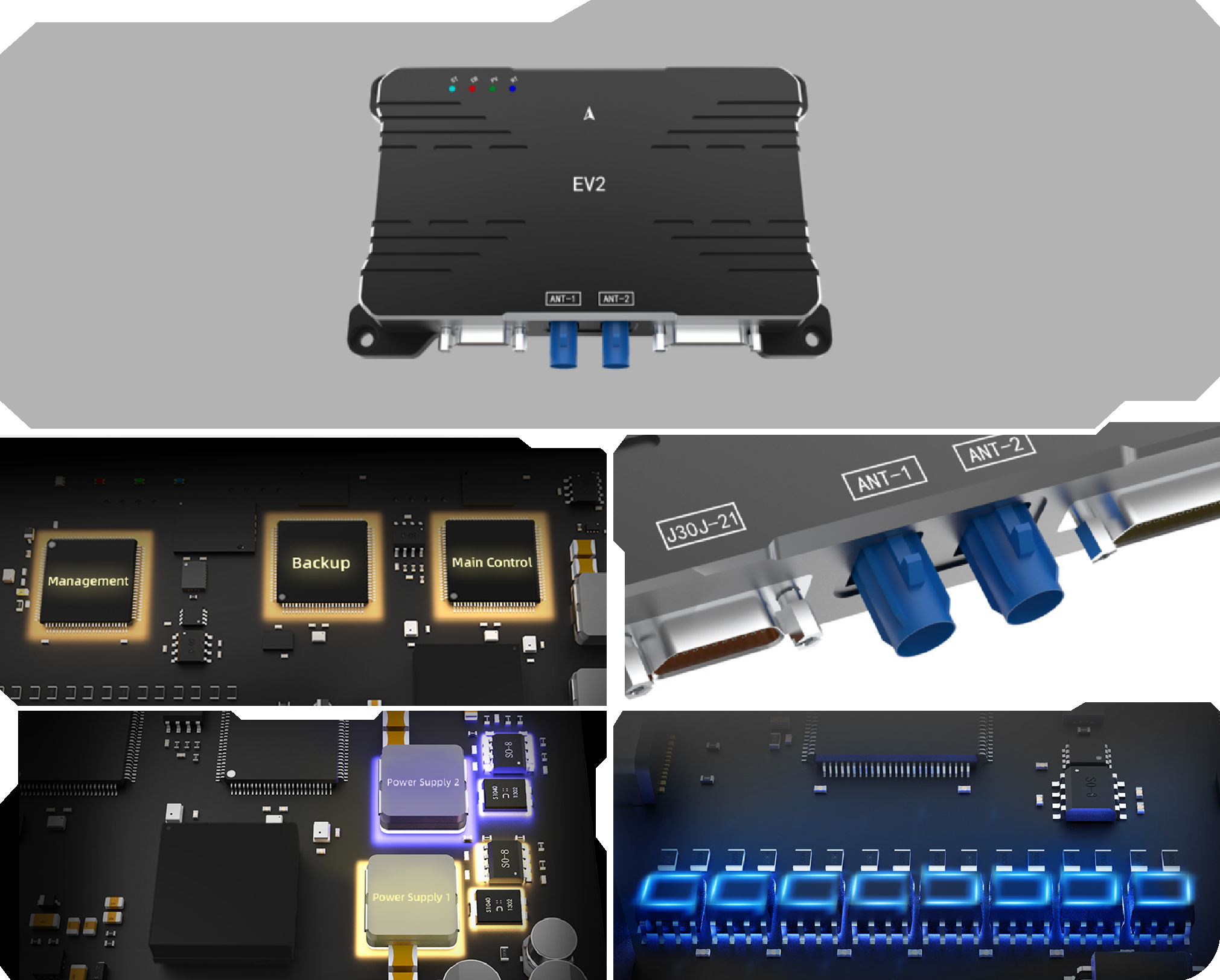
Taking the VK EV2 flight controller as an example, its dual-redundant control architecture and dual power inputs effectively enhance the interference resistance of the system and improve adaptability to high-voltage operating environments. Equipped with a high-precision IMU (Inertial Measurement Unit) featuring an effective range of up to 40G, the flight controller can maintain stable attitude control and reliable communication in complex electromagnetic and vibration environments, meeting the demands of heavy-duty and high-voltage UAV platforms.
Safety in high-voltage systems relies on the coordination across the entire aircraft rather than the protection on any single unit. The flight controller must operate in concert with the high-voltage propulsion system, BMS, power distribution, and insulation monitoring system to enable fault monitoring, graded protection, fault-tolerant flight, and safe landing, building a system-level safety framework for high-voltage UAVs.
Source:HOBBYWINGDate: 28th Aug 2026
When deploying 400V~ 800V UAV propulsion systems, selecting the right flight controller is critical to ensuring stable, efficient, and reliable operation. Here are three key capabilities to consider.
The flight controller should adopt a wide-range power supply design with high-voltage isolated DC-DC conversion, meeting requirements for voltage withstand capability, voltage regulation response, and PCB creepage and insulation standards.
High-voltage propulsion systems using high-frequency switch components such as SiC and IGBT can create complex electromagnetic environments while improving system efficiency. Strong EMI immunity helps maintain accurate sensor data and reliable communication of CAN and UART.
The drone flight controller should be optimized for high-voltage propulsion through PID tuning, dynamic power management, and attitude compensation under complex conditions, enabling better integration between propulsion characteristics and flight control algorithms.
Consequently, for 400V–800V high-voltage propulsion systems such as HOBBYWING's P50M, P65M, P65V, and P115M, the flight controller requires comprehensive optimization in high-voltage power supply, EMC compatibility, and coordinated system control.
Taking the VK EV2 flight controller as an example, its dual-redundant control architecture and dual power inputs effectively enhance the interference resistance of the system and improve adaptability to high-voltage operating environments. Equipped with a high-precision IMU (Inertial Measurement Unit) featuring an effective range of up to 40G, the flight controller can maintain stable attitude control and reliable communication in complex electromagnetic and vibration environments, meeting the demands of heavy-duty and high-voltage UAV platforms.
Safety in high-voltage systems relies on the coordination across the entire aircraft rather than the protection on any single unit. The flight controller must operate in concert with the high-voltage propulsion system, BMS, power distribution, and insulation monitoring system to enable fault monitoring, graded protection, fault-tolerant flight, and safe landing, building a system-level safety framework for high-voltage UAVs.