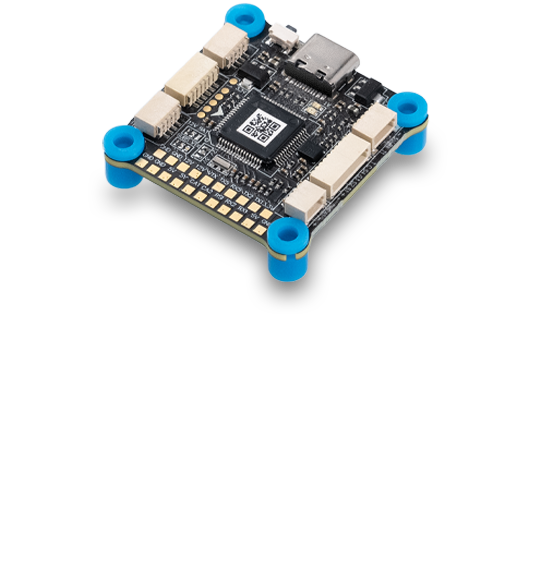
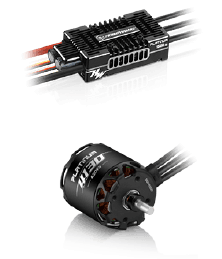
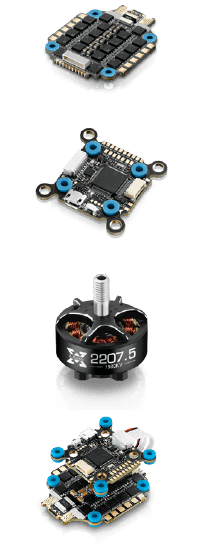



MULTIROTOR


Innovation and Performance for a simplified assembly.
Superior efficiency, exceptional stability.
VTOL
FIXED WING
FPV





Source : HOBBYWINGDate : 29th Jan 2026
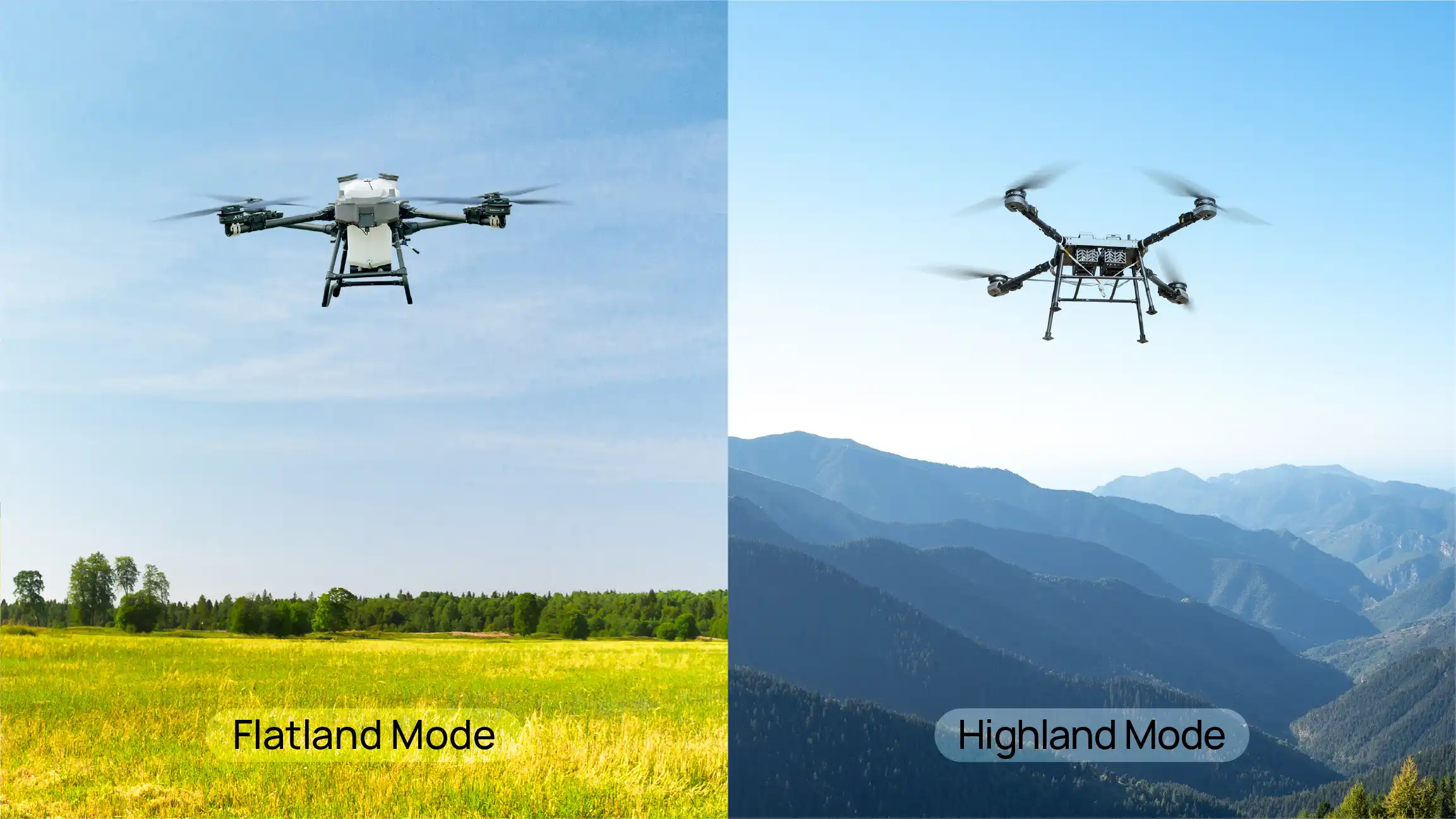
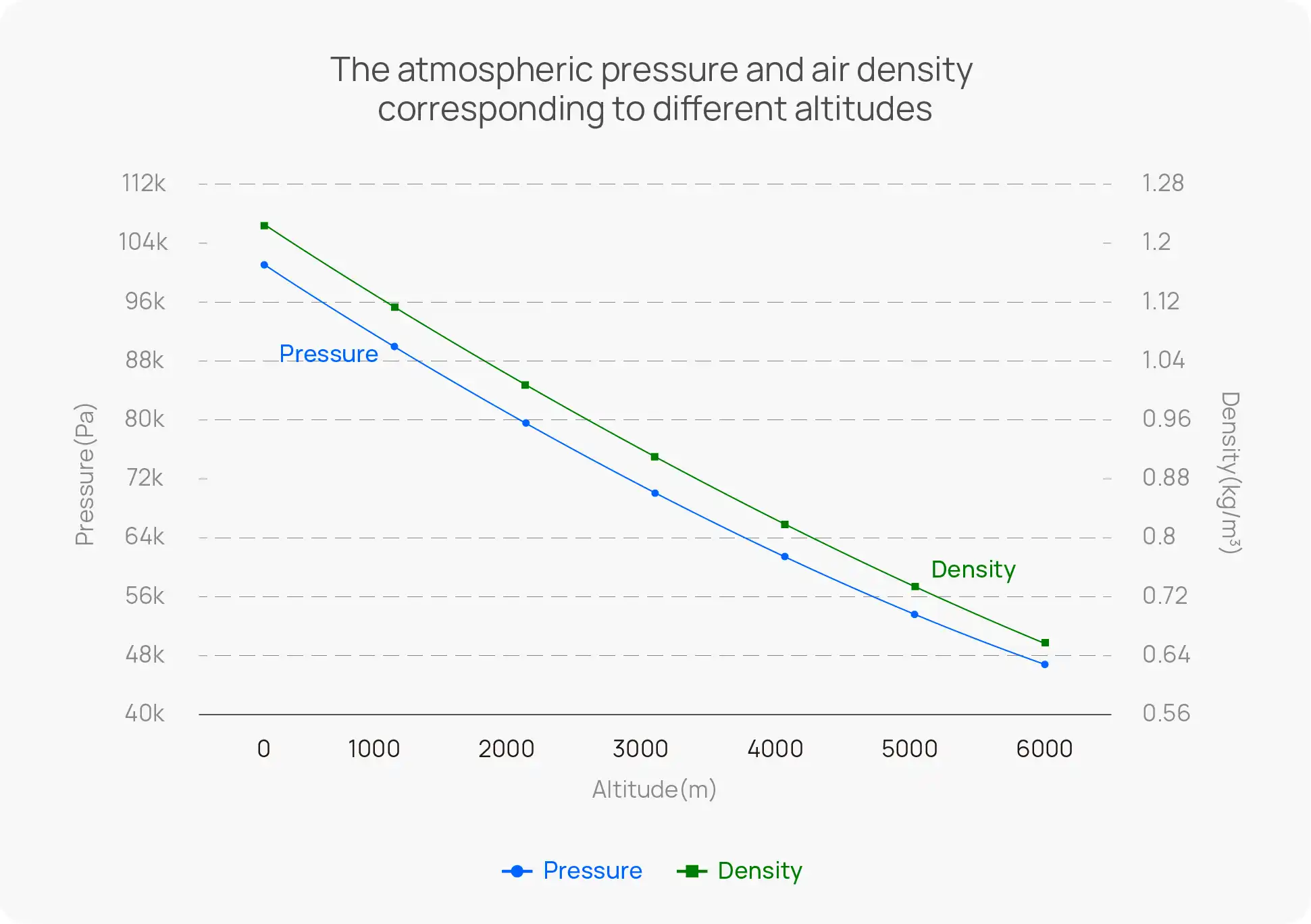
As altitude increases, air density decreases, resulting in a reduction in propeller-generated lift for UAVs. To adapt to different altitude environments, HOBBYWING integrated propulsion systems feature Flatland and Highland Modes for dependable performance across all operating altitudes.
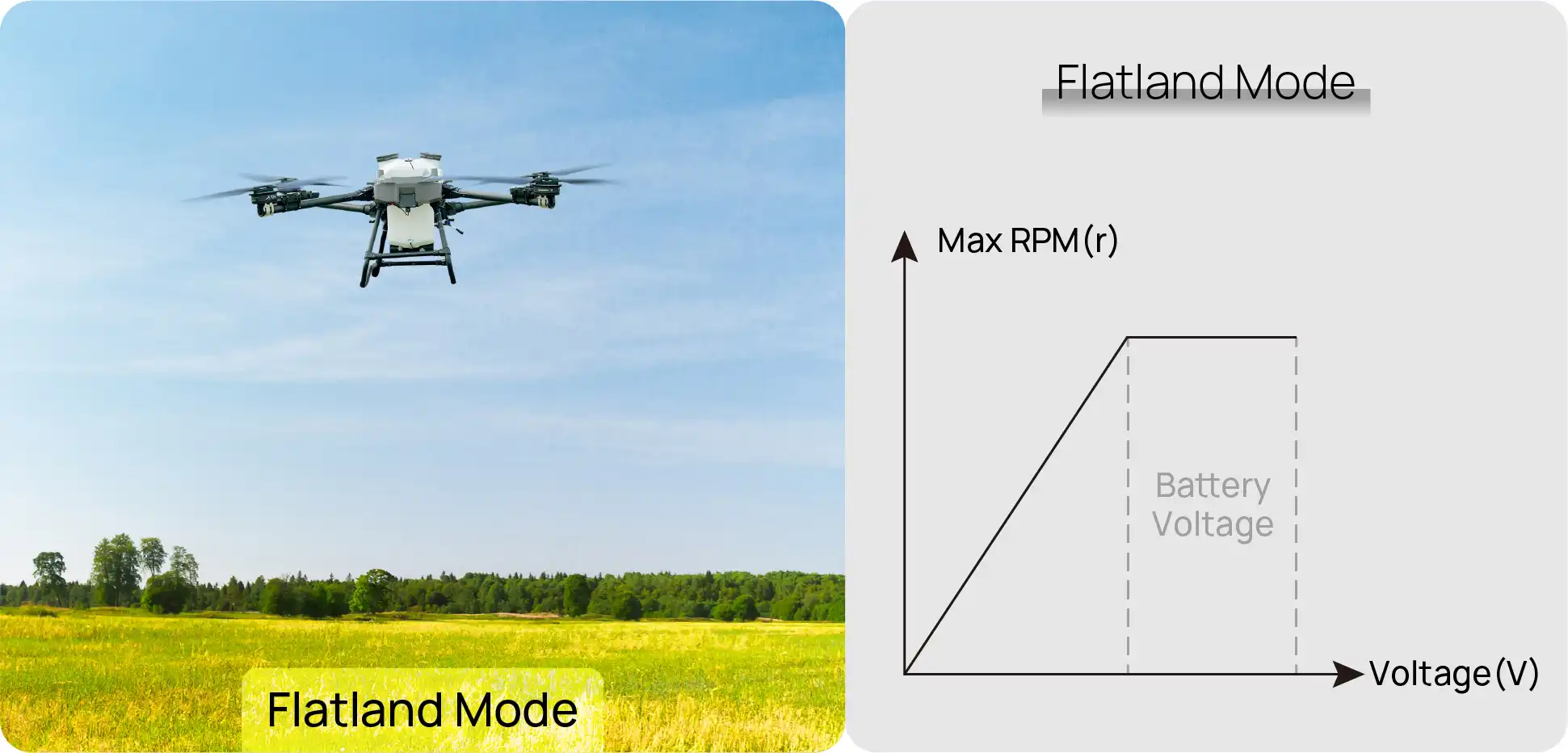
Low-altitude areas represent the primary operating environment for most UAV applications. Under this condition, UAVs typically perform frequent and long-duration missions, requiring stable motor RPM and strong resistance to load disturbances.
In Flatland Mode, the motor delivers consistent and stable output across the commonly used lithium battery voltage ranges. This mode is well-suited for UAV operations in low-altitude environments with various battery configurations.
Most HOBBYWING integrated propulsion systems operate in Flatland Mode by default. For example, the X8 G2 integrated propulsion system supports 12S-14S lithium batteries and operates within a voltage range of 44.4-60.9V, maintaining a stable rated thrust of 7.5kg/rotor. Similarly, the H13MD coaxial propulsion system supports 24S–28S batteries, operates within 88.8-121.8V, and consistently delivers a rated thrust of 45kg/rotor.
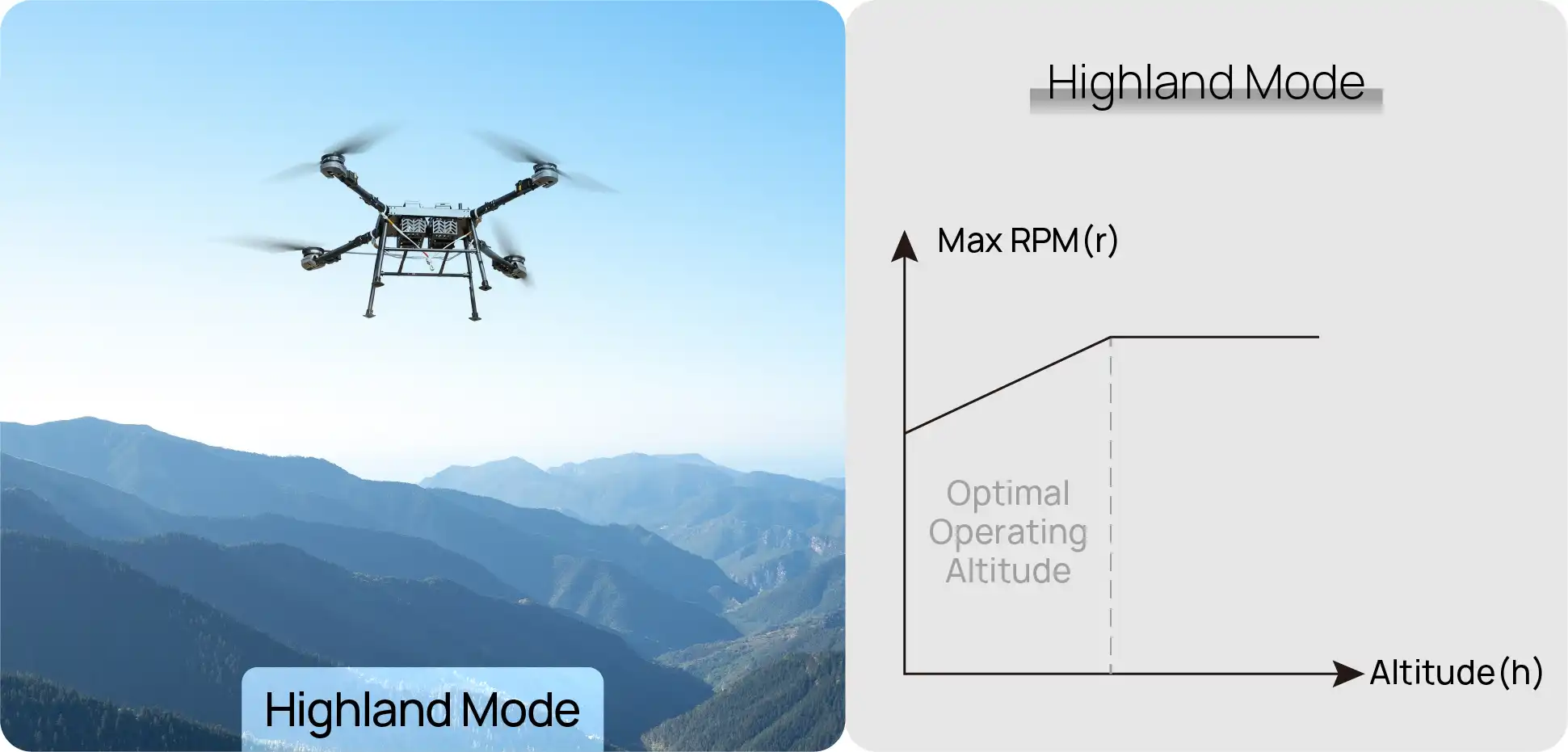
In high-altitude environments, increasing altitude leads to reduced air density and, consequently, lower lift. To meet mission requirements, it is necessary to either change propellers or increase motor RPM to maintain the required lift.
HOBBYWING propulsion systems equipped with Highland Mode can actively increase motor RPM within a defined altitude range as altitude rises*, ensuring sufficient lift output for high-altitude operations. For instance, H Series integrated propulsion systems can be customized with this highland mode.
*Motor RPM cannot be increased indefinitely and is subject to physical limitations. For example, a 200KV motor supplied with 10V can achieve a maximum RPM of only 2,000RPM.
Source:HOBBYWINGDate: 29th Jan 2026
As altitude increases, air density decreases, resulting in a reduction in propeller-generated lift for UAVs. To adapt to different altitude environments, HOBBYWING integrated propulsion systems feature Flatland and Highland Modes for dependable performance across all operating altitudes.
Low-altitude areas represent the primary operating environment for most UAV applications. Under this condition, UAVs typically perform frequent and long-duration missions, requiring stable motor RPM and strong resistance to load disturbances.
In Flatland Mode, the motor delivers consistent and stable output across the commonly used lithium battery voltage ranges. This mode is well-suited for UAV operations in low-altitude environments with various battery configurations.
Most HOBBYWING integrated propulsion systems operate in Flatland Mode by default. For example, the X8 G2 integrated propulsion system supports 12S-14S lithium batteries and operates within a voltage range of 44.4-60.9V, maintaining a stable rated thrust of 7.5kg/rotor. Similarly, the H13MD coaxial propulsion system supports 24S–28S batteries, operates within 88.8-121.8V, and consistently delivers a rated thrust of 45kg/rotor.
In high-altitude environments, increasing altitude leads to reduced air density and, consequently, lower lift. To meet mission requirements, it is necessary to either change propellers or increase motor RPM to maintain the required lift.
HOBBYWING propulsion systems equipped with Highland Mode can actively increase motor RPM within a defined altitude range as altitude rises*, ensuring sufficient lift output for high-altitude operations. For instance, H Series integrated propulsion systems can be customized with this highland mode.
*Motor RPM cannot be increased indefinitely and is subject to physical limitations. For example, a 200KV motor supplied with 10V can achieve a maximum RPM of only 2,000RPM.