


MULTIROTOR


Innovation and Performance for a simplified assembly.
Superior efficiency, exceptional stability.
VTOL
FIXED WING
FPV





Source : HOBBYWINGDate : 10th Apr 2026
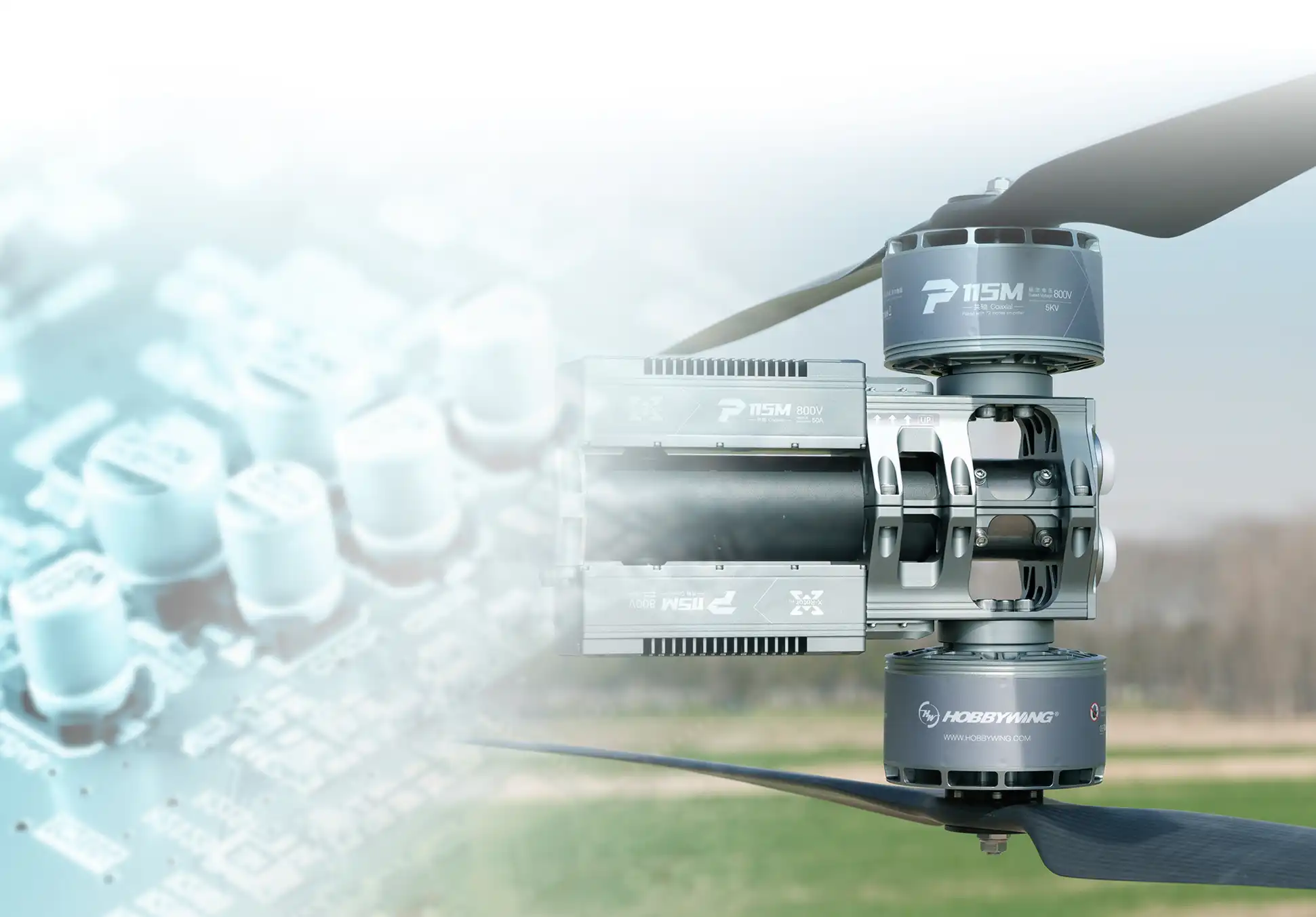
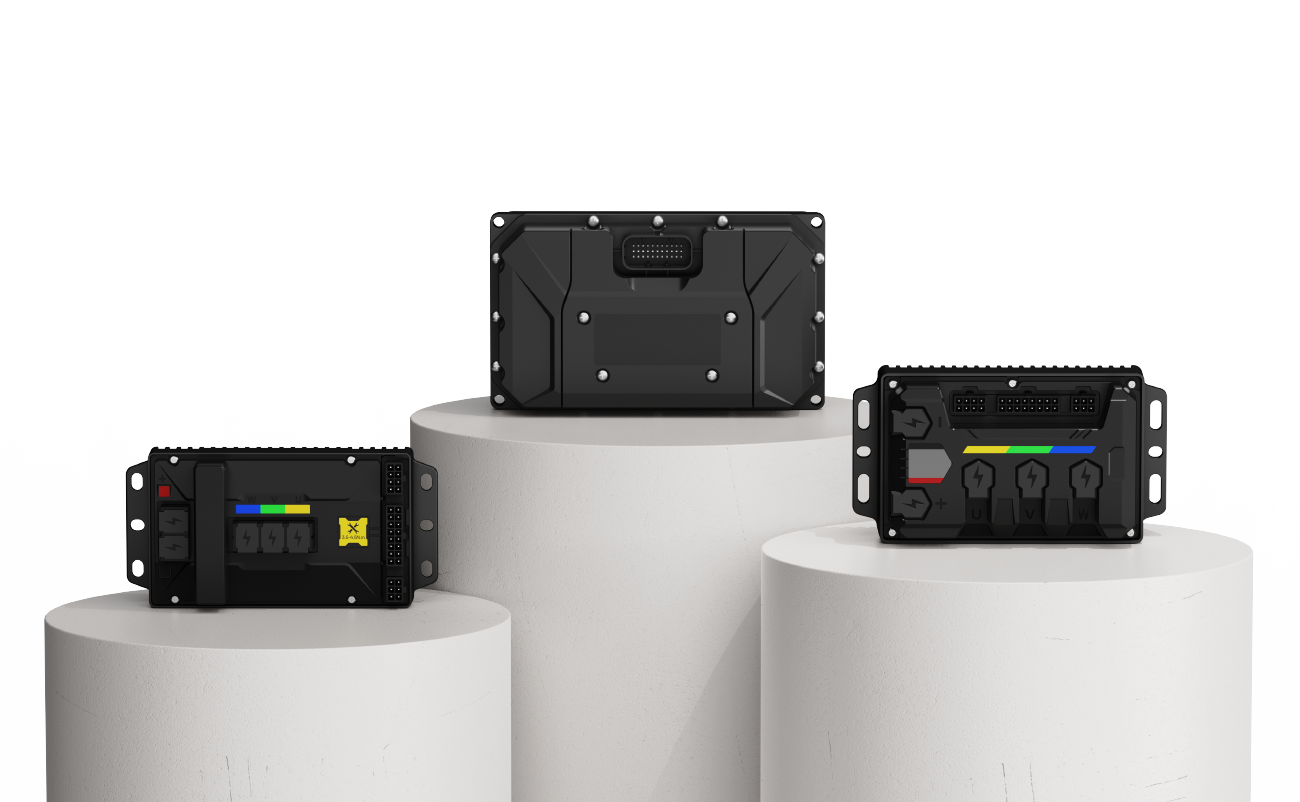
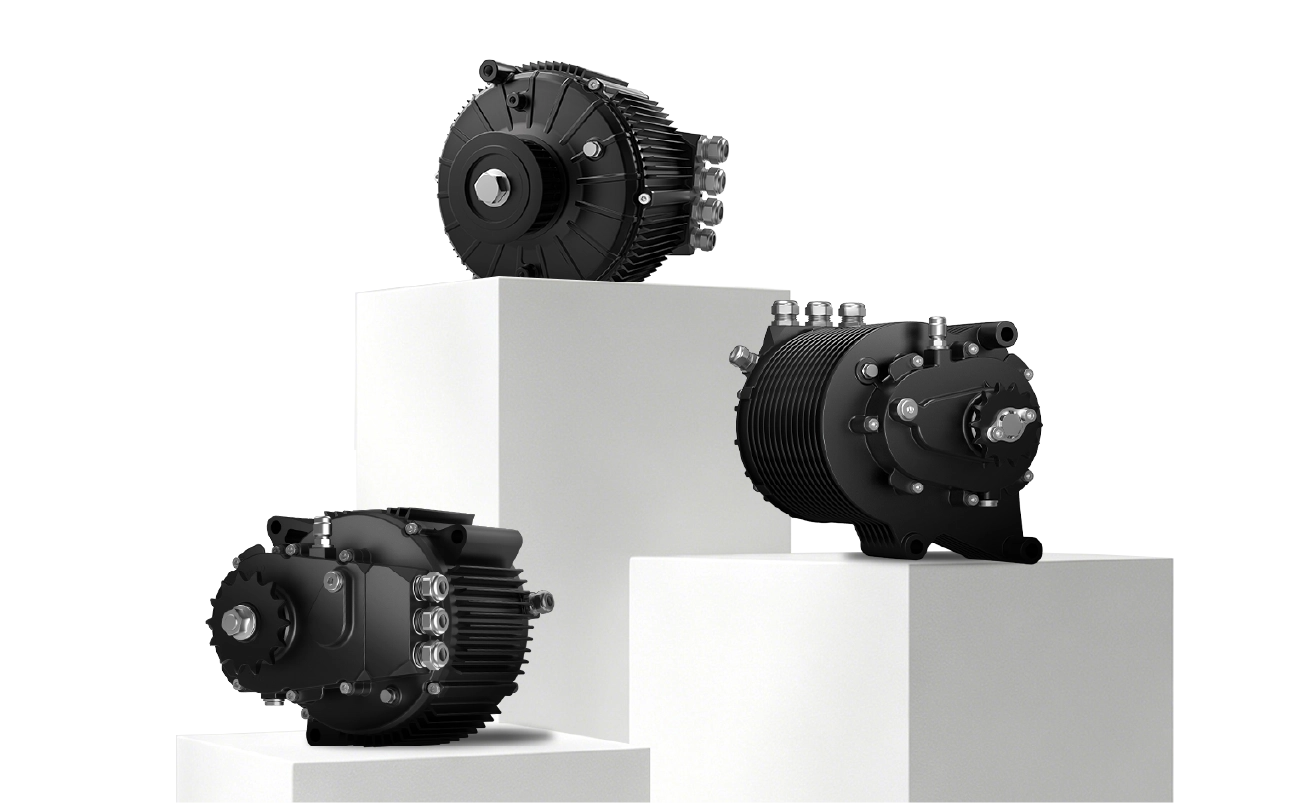
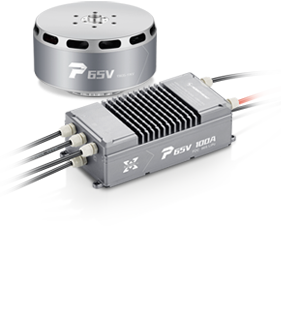
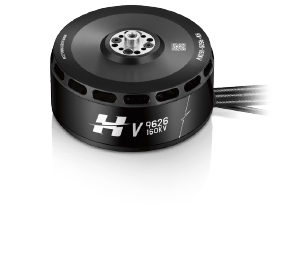
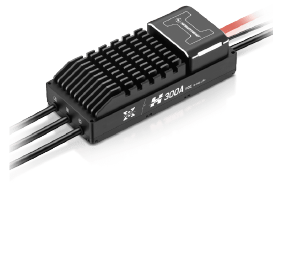
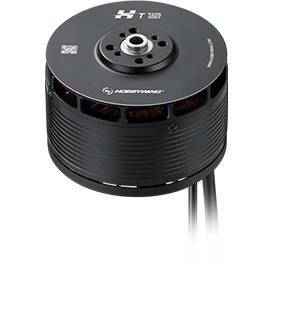
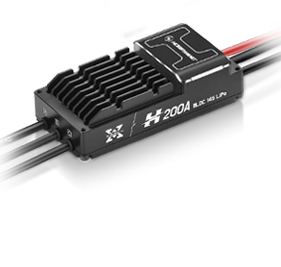
HOBBYWING’s P Series UAV propulsion systems feature automotive-grade design and a high-voltage architecture, reducing operating current and minimizing transmission losses, enabling the use of lighter wiring in drone systems, contributing to overall weight reduction and higher power density.
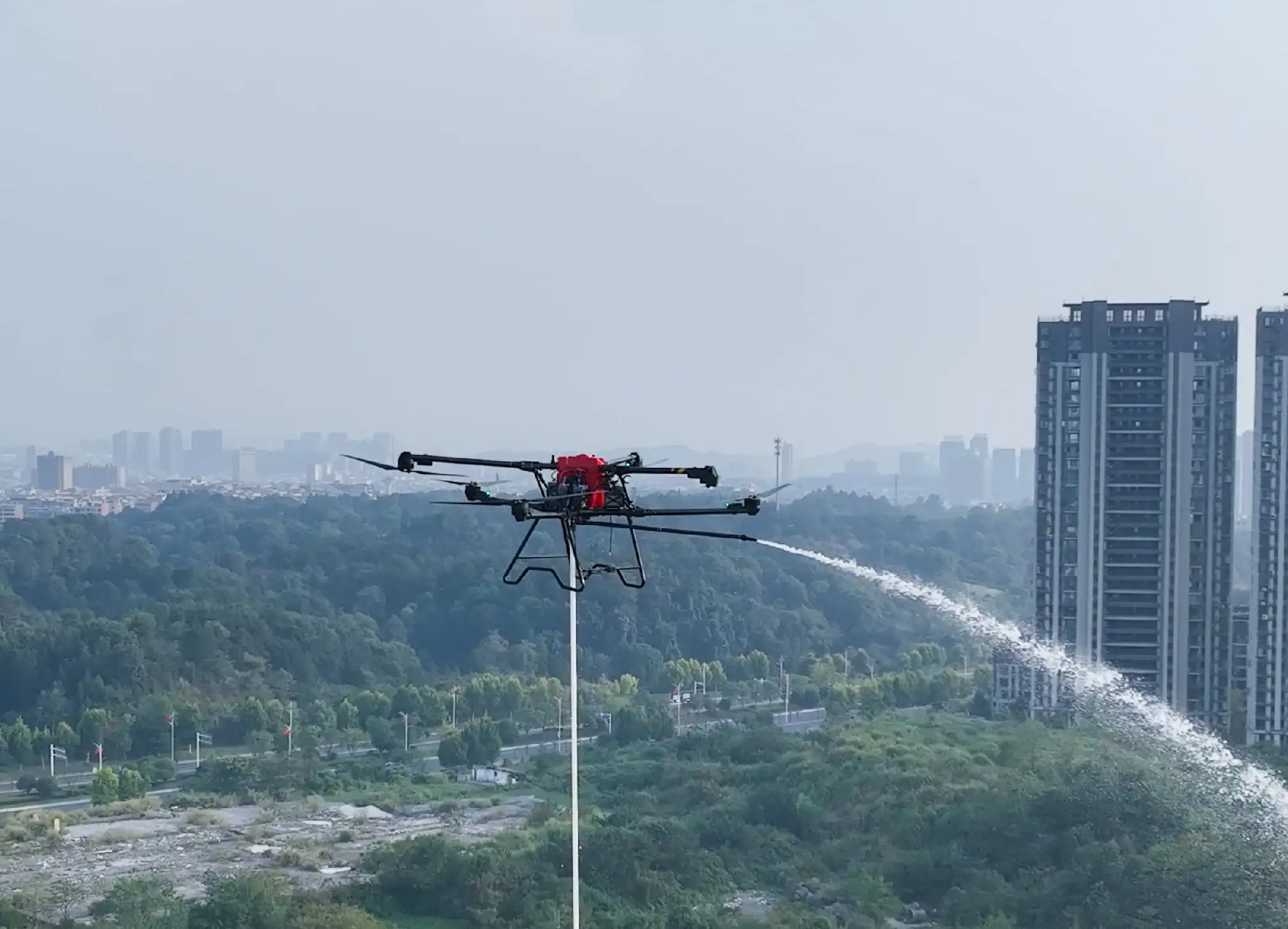
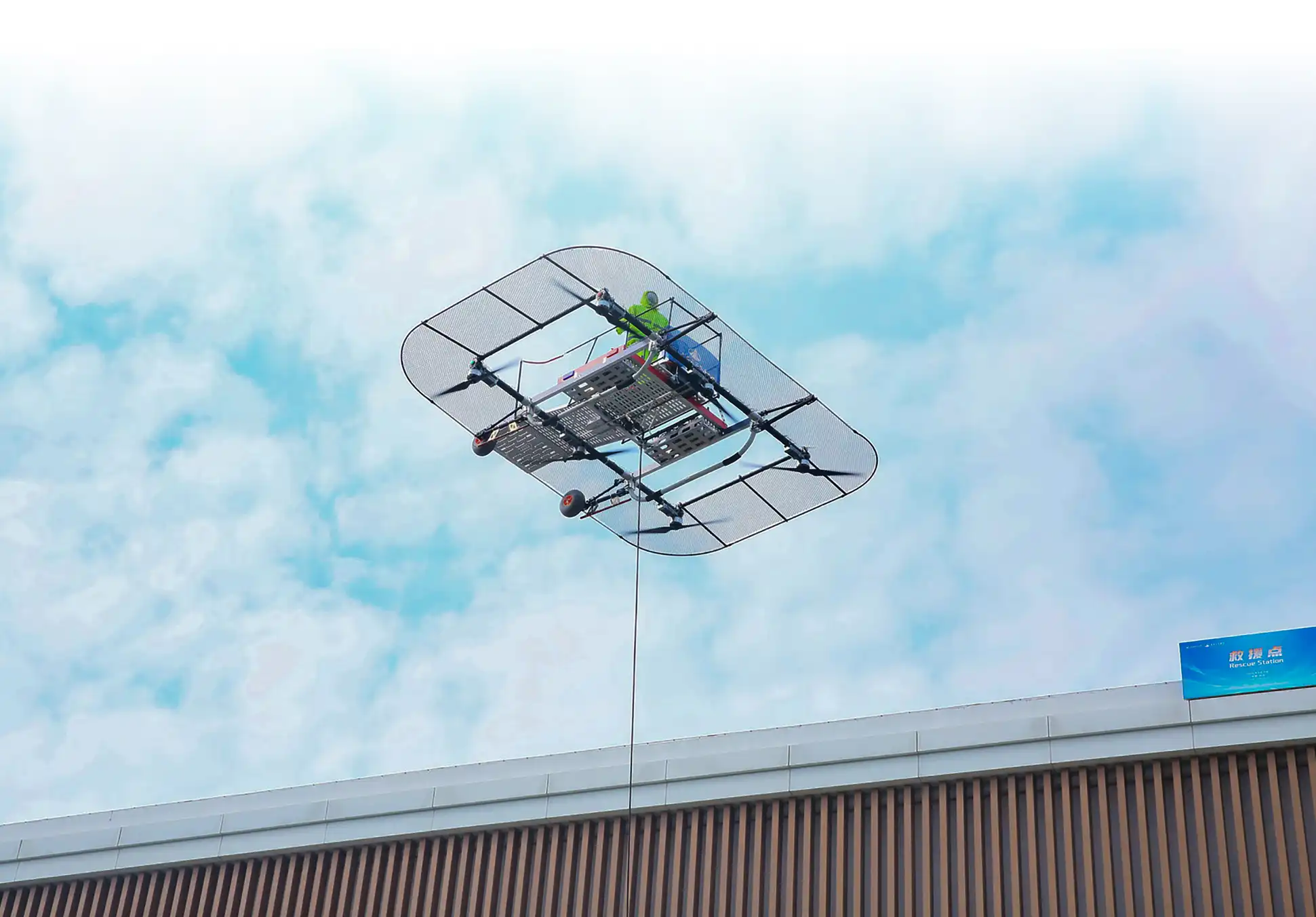
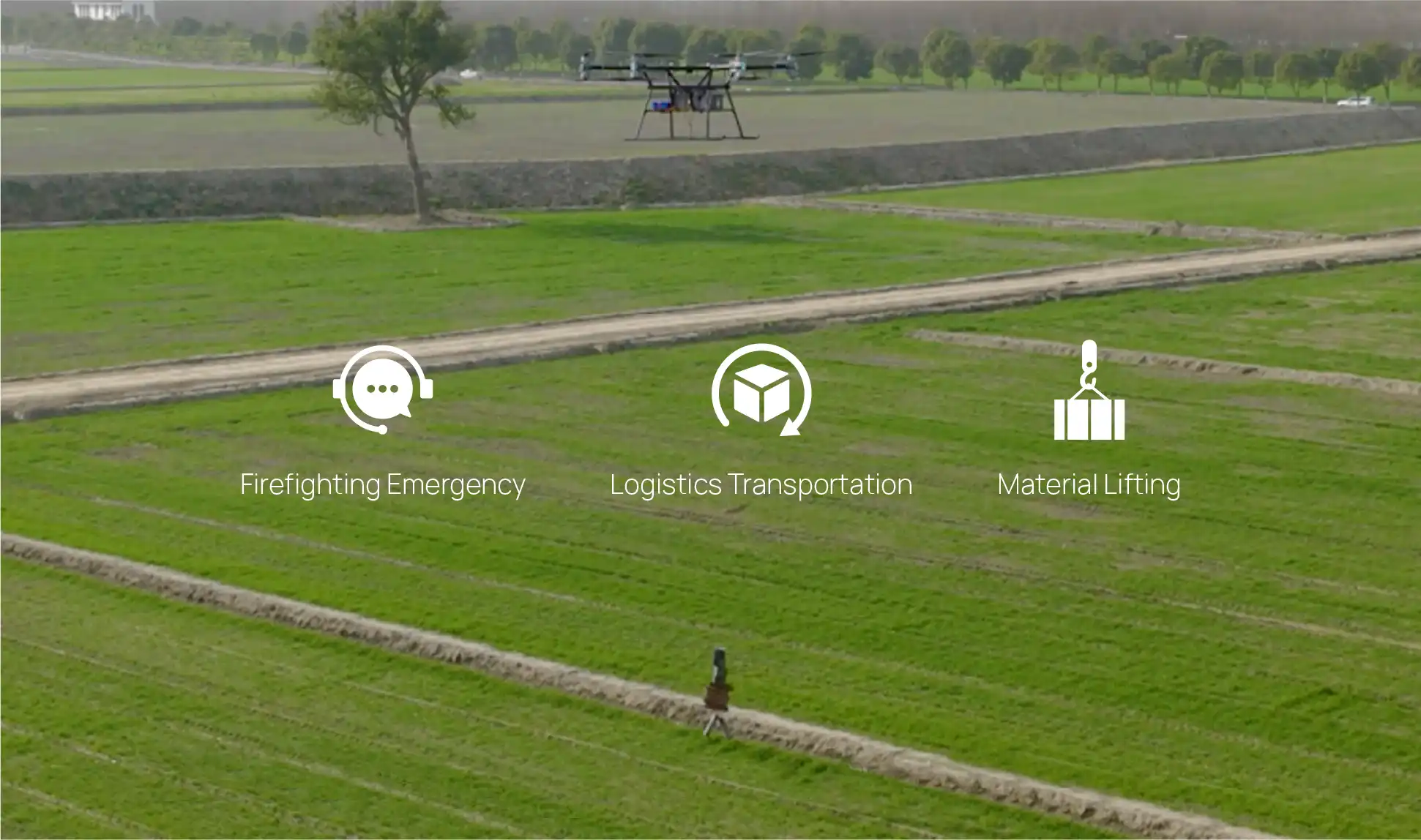
Thus, P-series high-voltage drone power systems deliver more efficient, stable, and reliable power for heavy-lift, long-endurance industrial UAV applications, including emergency response, public safety, logistics, and cargo lifting, etc.
In the deployment of high-voltage drone propulsion systems, the pre-charge circuit is a critical component, closely related to lifespan, operational reliability, and flight safety. HOBBYWING’s P-series heavy-lift UAV power systems operate on 400V / 800V high-voltage platforms. The drone ESCs integrate large-capacity DC bus capacitors (typically ranging from several hundred to several thousand microfarads), but do not include an internal high-voltage pre-charge function.
If the drone system is powered on without pre-charging, the battery is effectively connected to a large capacitive load, which will cause an instantaneous short circuit on the UAV ESC bus, generating extremely high inrush current. Such inrush current surge may:
·Cause electrical sparks upon cable contact
·Introduce electrical stress to connectors, capacitors, and power devices
·Reduce drone motor & ESC lifespan
·Compromise UAV drone flight safety
When deploying high-voltage UAV propulsion systems, direct connection to the battery should always be avoided. Instead, the system should be integrated with a high-voltage Power Distribution Unit (PDU) that incorporates a properly designed pre-charge circuit and power distribution solution. This enables:
·Smooth power-on and safe operation
·Adapts to frequent start-stop cycles and complex drone operating conditions
Considering the diversity of Unmanned Aerial Vehicle (UAV) applications, such as differences in configurations, redundancy requirements, and weight constraints, HOBBYWING provides a dedicated
[Design and Hardware Selection Guide for High-Voltage Power Distribution Solutions of P-Series Propulsion System V1.0].
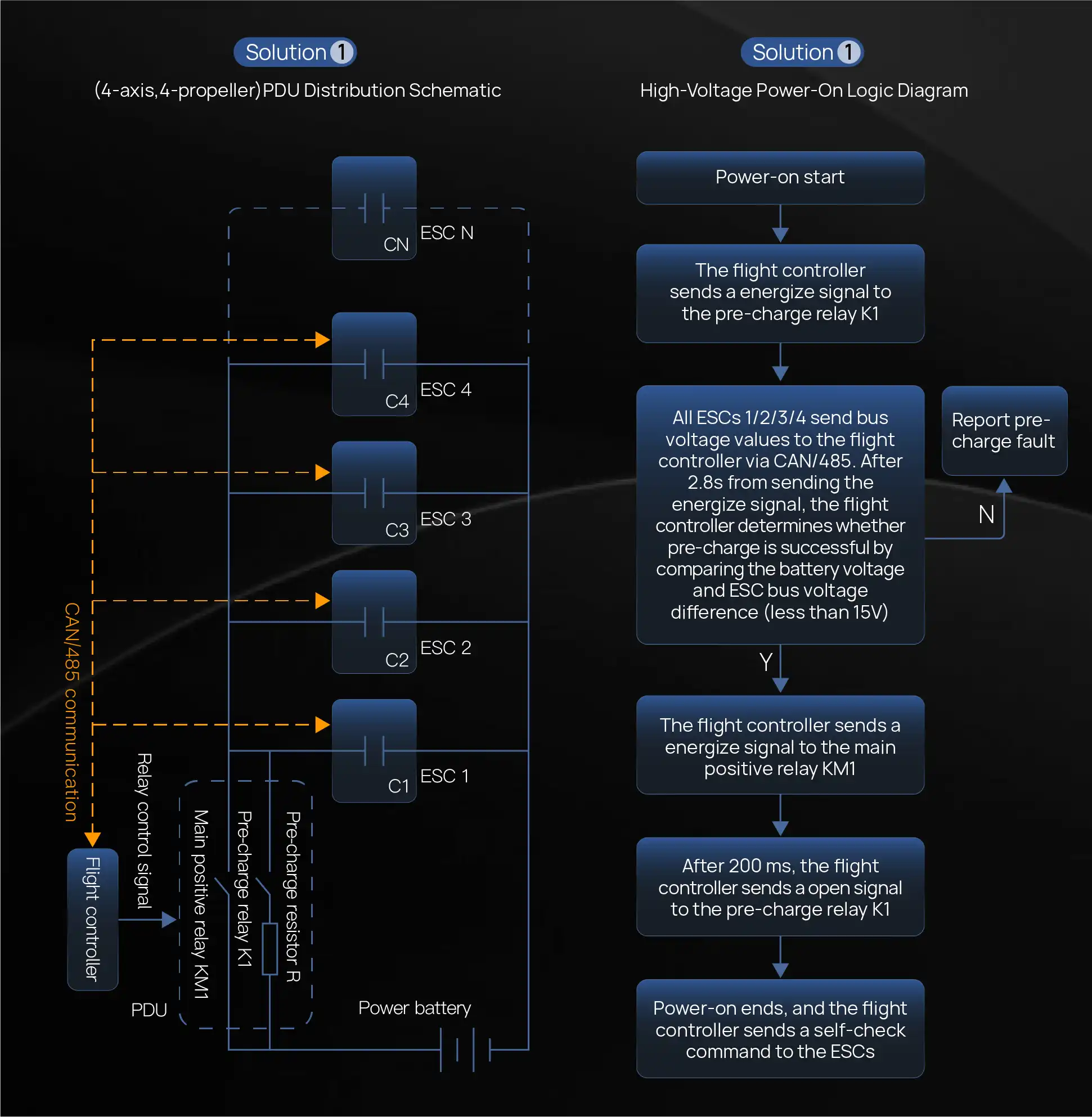
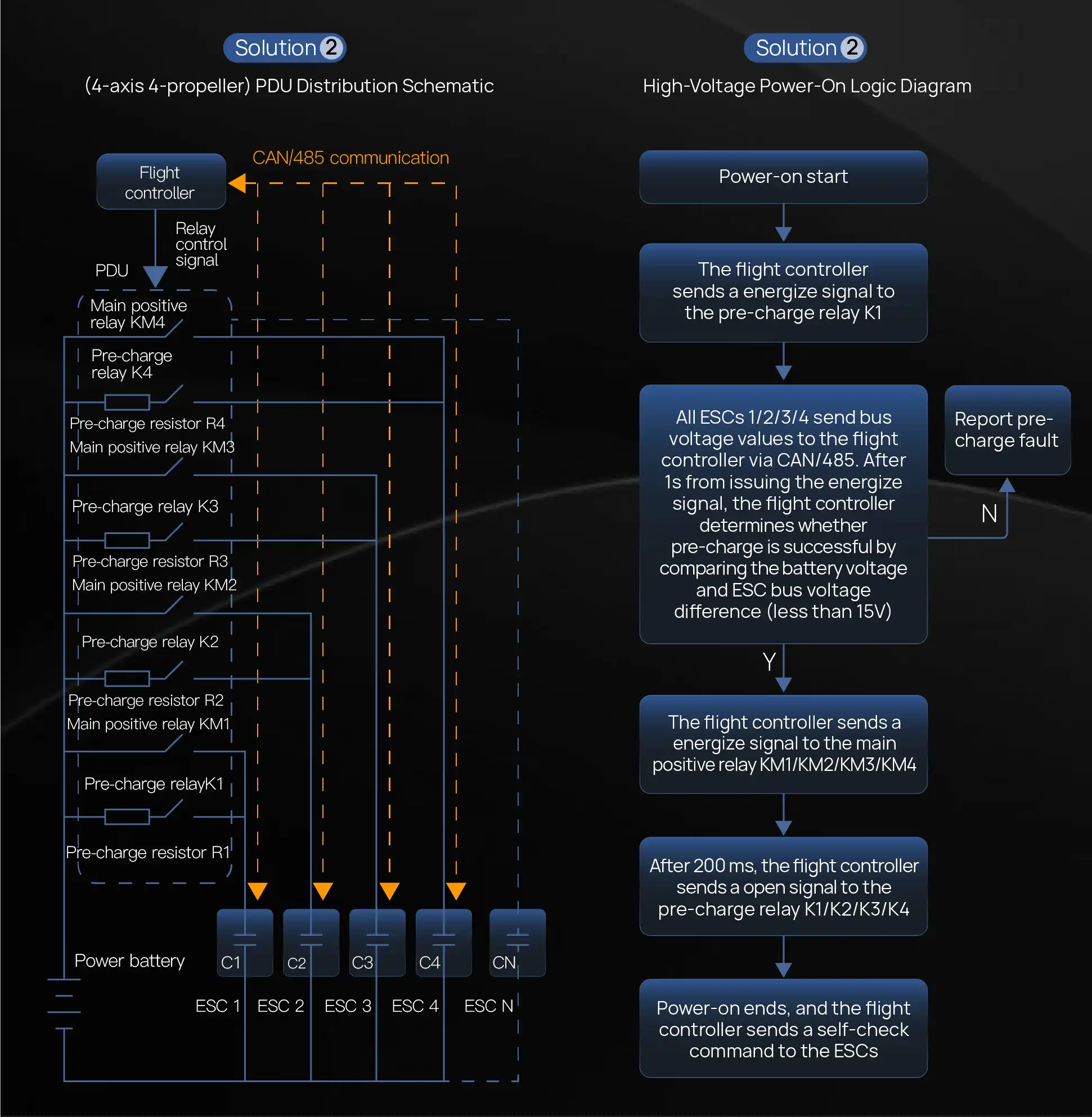
This guide is intended to support UAV engineers, operators, and users in efficiently developing PDUs, optimizing hardware selection, and ensuring safe and reliable drone high-voltage system integration.
Note: This document will be continuously updated with new product releases. Please refer to the official HOBBYWING website for the latest version.
Source:HOBBYWINGDate: 10th Apr 2026
HOBBYWING’s P Series UAV propulsion systems feature automotive-grade design and a high-voltage architecture, reducing operating current and minimizing transmission losses, enabling the use of lighter wiring in drone systems, contributing to overall weight reduction and higher power density.
Thus, P-series high-voltage drone power systems deliver more efficient, stable, and reliable power for heavy-lift, long-endurance industrial UAV applications, including emergency response, public safety, logistics, and cargo lifting, etc.
In the deployment of high-voltage drone propulsion systems, the pre-charge circuit is a critical component, closely related to lifespan, operational reliability, and flight safety. HOBBYWING’s P-series heavy-lift UAV power systems operate on 400V / 800V high-voltage platforms. The drone ESCs integrate large-capacity DC bus capacitors (typically ranging from several hundred to several thousand microfarads), but do not include an internal high-voltage pre-charge function.
If the drone system is powered on without pre-charging, the battery is effectively connected to a large capacitive load, which will cause an instantaneous short circuit on the UAV ESC bus, generating extremely high inrush current. Such inrush current surge may:
·Cause electrical sparks upon cable contact
·Introduce electrical stress to connectors, capacitors, and power devices
·Reduce drone motor & ESC lifespan
·Compromise UAV drone flight safety
When deploying high-voltage UAV propulsion systems, direct connection to the battery should always be avoided. Instead, the system should be integrated with a high-voltage Power Distribution Unit (PDU) that incorporates a properly designed pre-charge circuit and power distribution solution. This enables:
·Smooth power-on and safe operation
·Adapts to frequent start-stop cycles and complex drone operating conditions
Considering the diversity of Unmanned Aerial Vehicle (UAV) applications, such as differences in configurations, redundancy requirements, and weight constraints, HOBBYWING provides a dedicated
[Design and Hardware Selection Guide for High-Voltage Power Distribution Solutions of P-Series Propulsion System V1.0].
This guide is intended to support UAV engineers, operators, and users in efficiently developing PDUs, optimizing hardware selection, and ensuring safe and reliable drone high-voltage system integration.
Note: This document will be continuously updated with new product releases. Please refer to the official HOBBYWING website for the latest version.