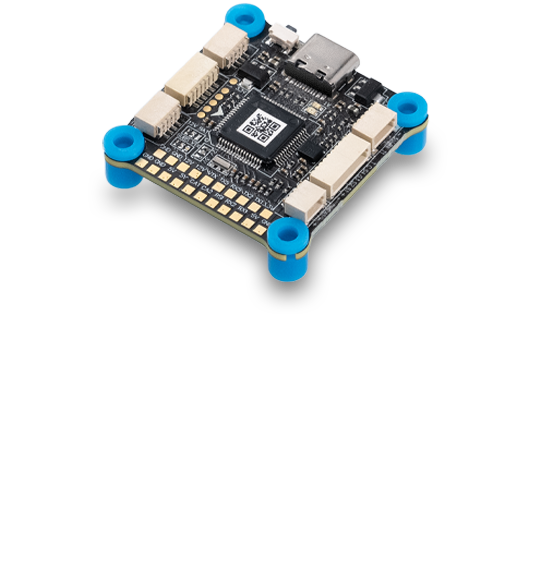



MULTIROTOR


Innovation and Performance for a simplified assembly.
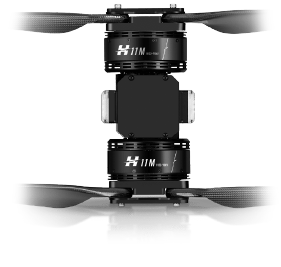
Superior efficiency, exceptional stability.
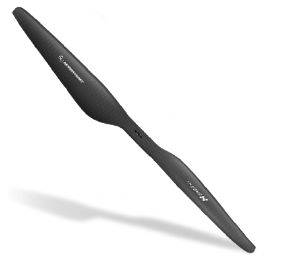
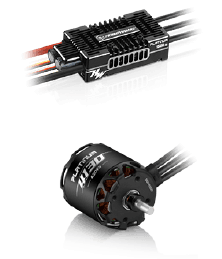
VTOL
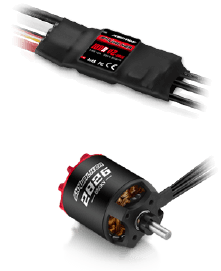
FIXED WING
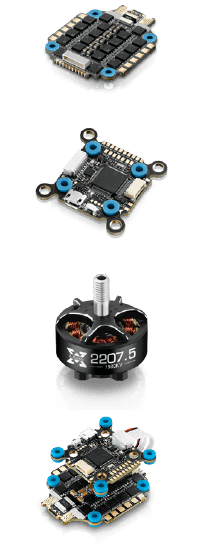
FPV





Source : HOBBYWINGDate : 15th Dec 2025
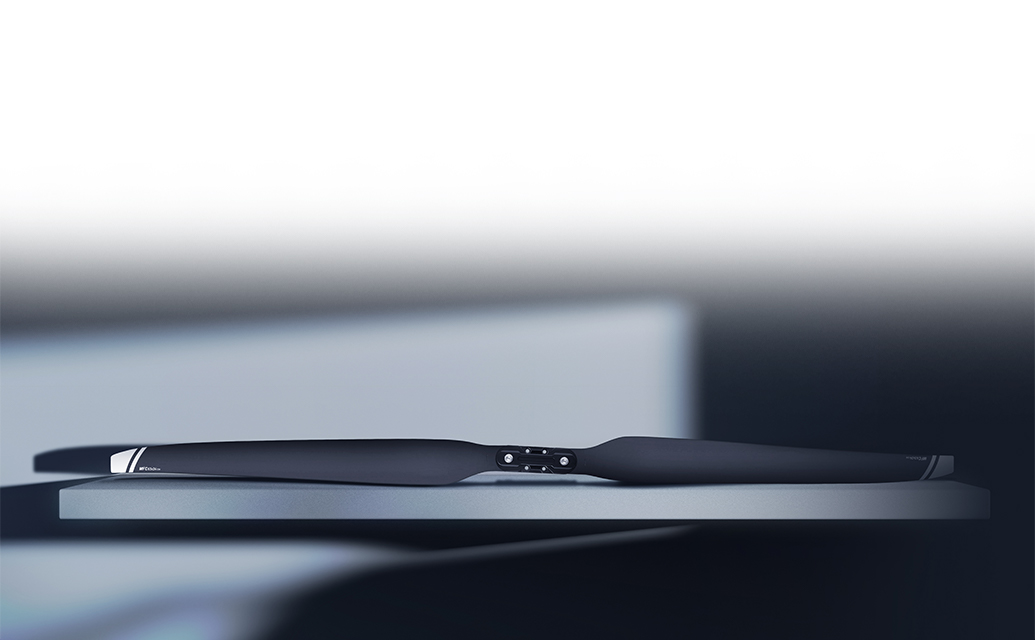
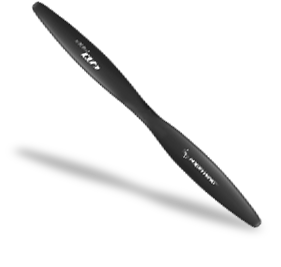
Drone propellers convert the output power of motors or engines into thrust by rotating the blades, serving as one of the core propulsion components of drones.
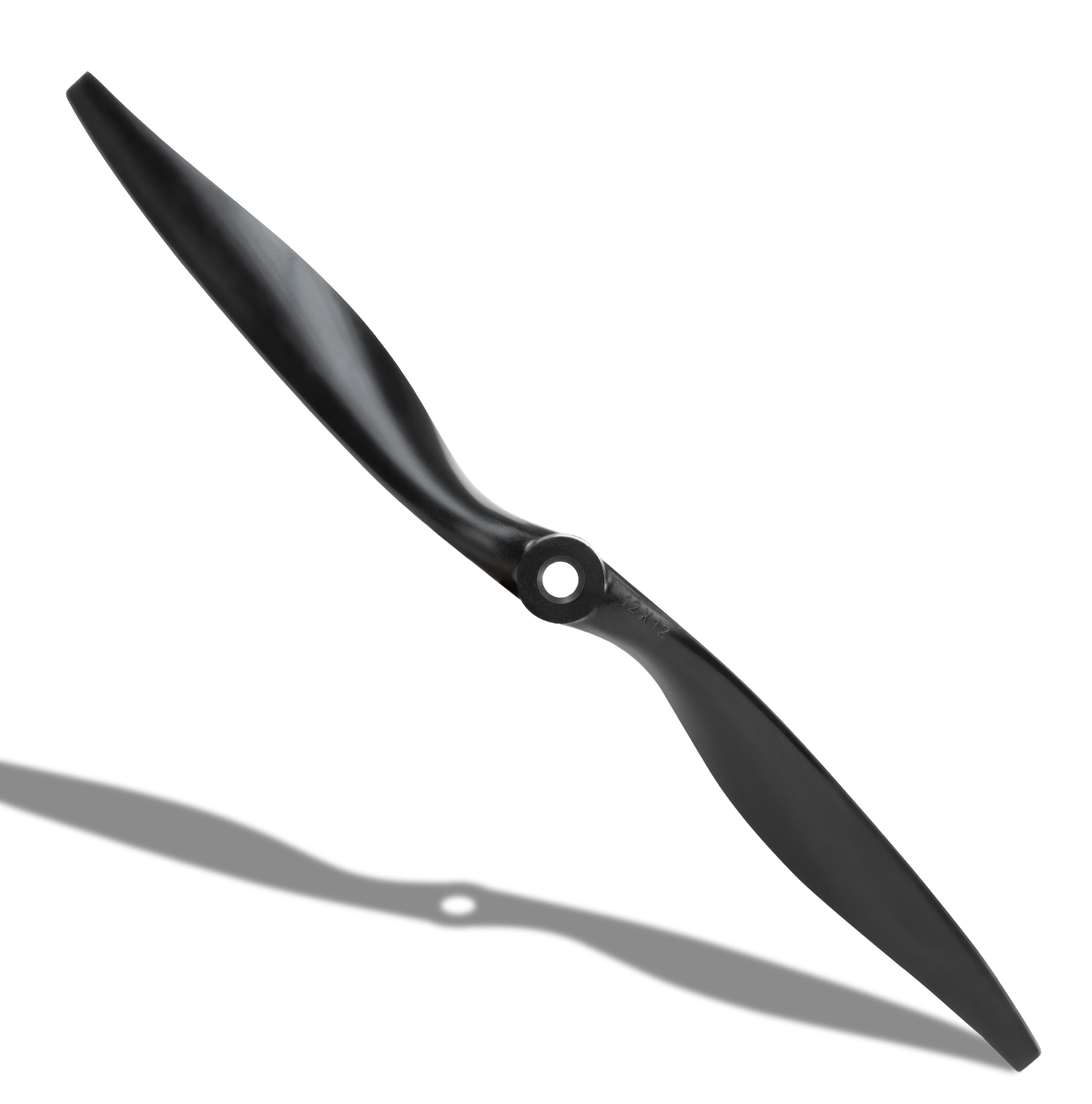
Wooden Propellers: Often used in oil-powered fixed-wing drones. Easy to process, with natural damping and good vibration resistance.
Carbon-Plastic Propellers: Commonly used in small to medium-sized drones, such as agricultural drones. Lightweight and corrosion-resistant.
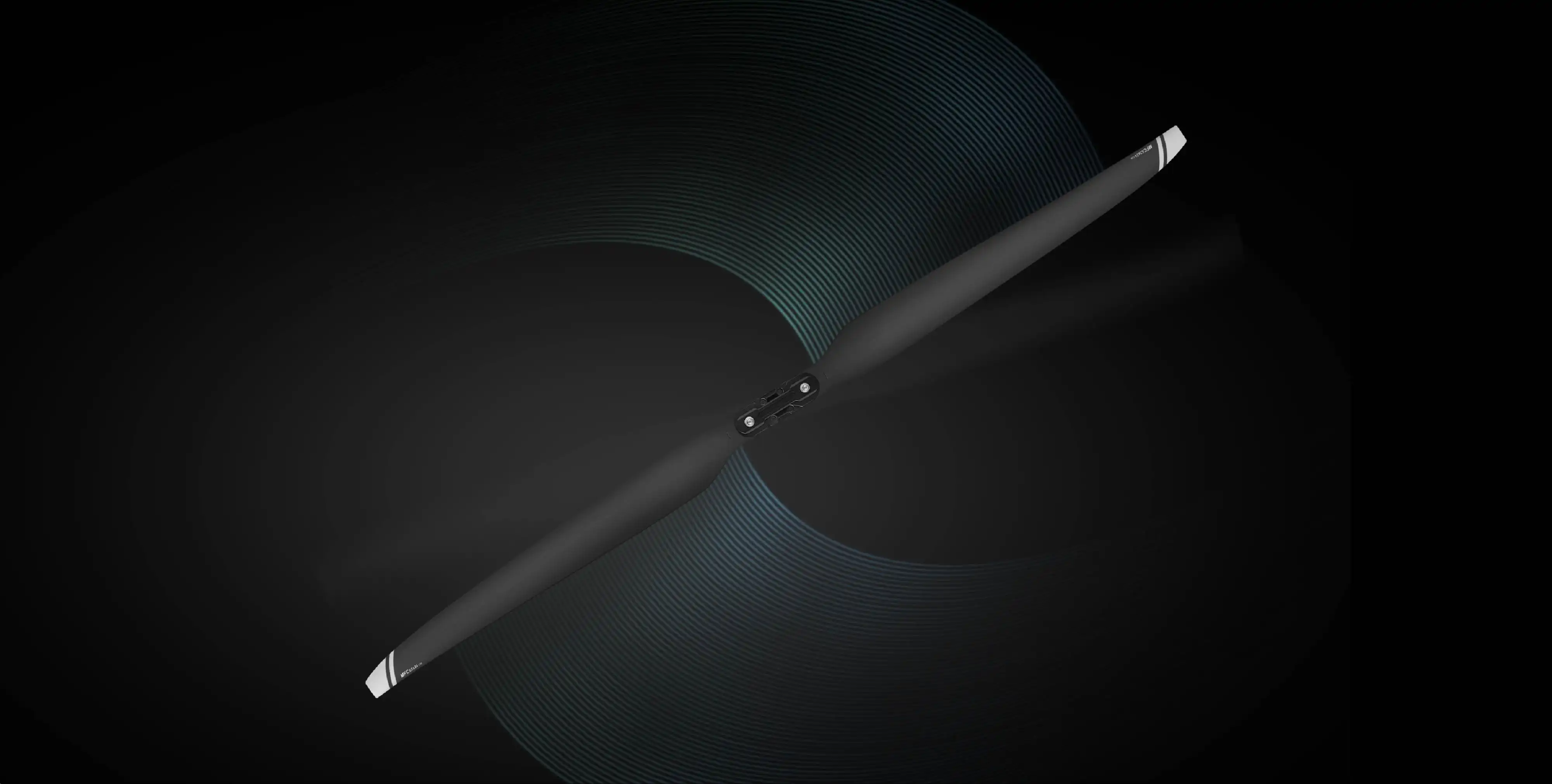
Composite Propellers: Suitable for scenarios with higher performance requirements, such as long-endurance, heavy-load, and high-maneuverability drones. This kind of drone propellers offer high specific strength, stiffness, lightweight, and low vibration.
HOBBYWING focuses on two types of high-performance propeller materials, providing specialized solutions for different drone needs.
Features: Balance strength and corrosion resistance, lightweight.
Application: Compatible with HOBBYWING X-Series integrated propulsion systems. Mainly used for agricultural drones and training drones, suitable for plant protection applications with a takeoff weight under 150kg and flight speeds not exceeding 13.8 m/s, offering good resistance to pesticide corrosion and cost-effectiveness.。
Note: Due to resonance issues between upper and lower propellers in coaxial drones, carbon-plastic propellers are not suitable for coaxial drones.

Features: Lightweight, high rigidity, excellent dynamic balance, low vibration, and superior extreme performance.
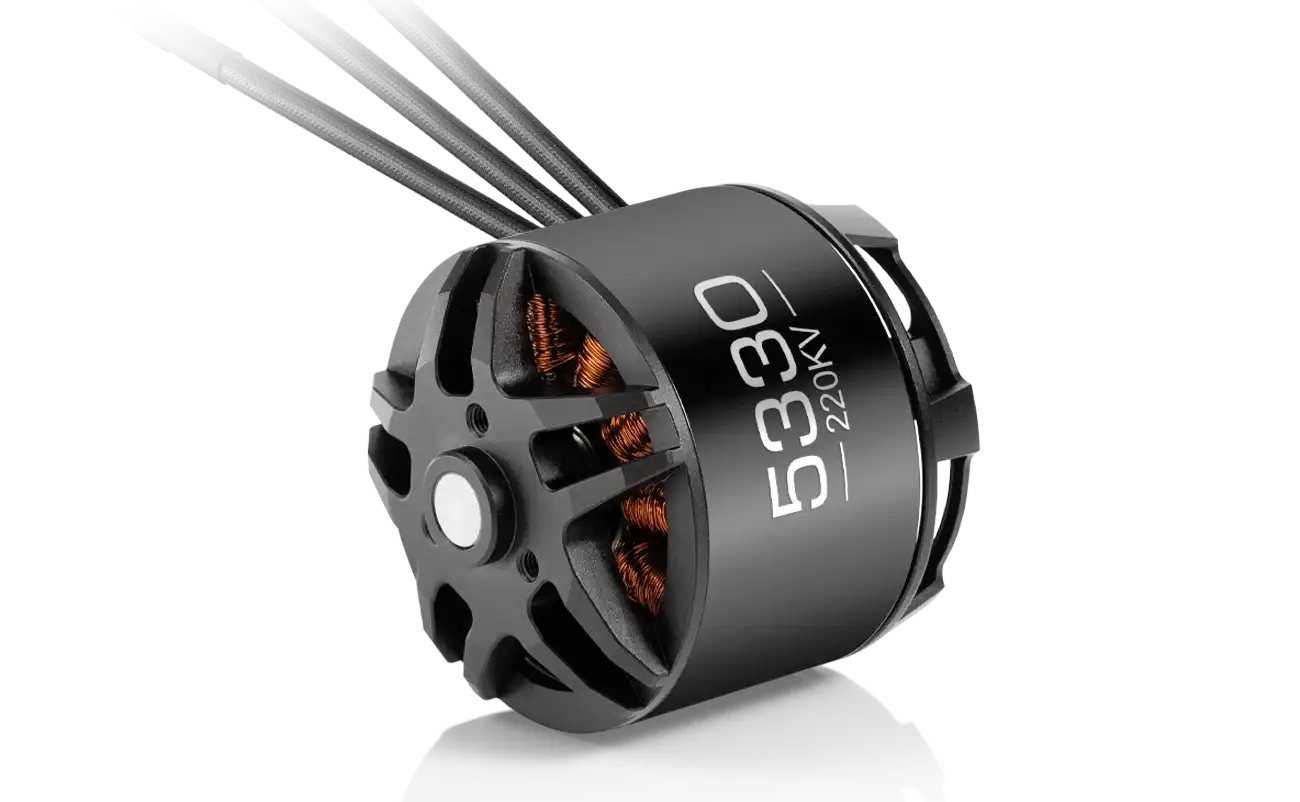
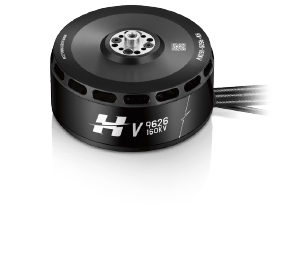
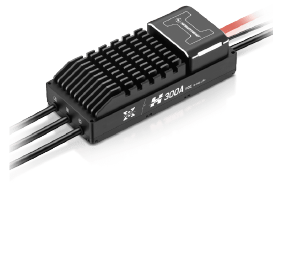
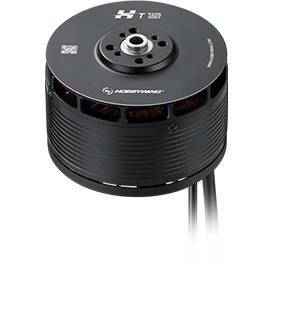
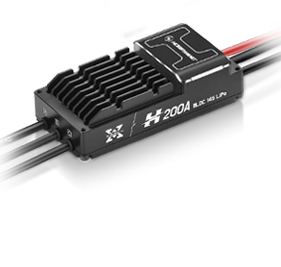
Application: Compatible with HOBBYWING H-Series integrated power systems and P-Series high-voltage propulsion systems. Suitable for industrial-grade UAVs, such as long-endurance, high-speed, large-scale, and coaxial UAVs.

Selecting propellers that match the mission scenario based on the drone’s purpose can fully unleash the drone’s performance potential, achieving optimal flight efficiency and operational performance.
Source:HOBBYWINGDate: 15th Dec 2025
Drone propellers convert the output power of motors or engines into thrust by rotating the blades, serving as one of the core propulsion components of drones.
Wooden Propellers: Often used in oil-powered fixed-wing drones. Easy to process, with natural damping and good vibration resistance.
Carbon-Plastic Propellers: Commonly used in small to medium-sized drones, such as agricultural drones. Lightweight and corrosion-resistant.
Composite Propellers: Suitable for scenarios with higher performance requirements, such as long-endurance, heavy-load, and high-maneuverability drones. This kind of drone propellers offer high specific strength, stiffness, lightweight, and low vibration.
HOBBYWING focuses on two types of high-performance propeller materials, providing specialized solutions for different drone needs.
Features: Balance strength and corrosion resistance, lightweight.
Application: Compatible with HOBBYWING X-Series integrated propulsion systems. Mainly used for agricultural drones and training drones, suitable for plant protection applications with a takeoff weight under 150kg and flight speeds not exceeding 13.8 m/s, offering good resistance to pesticide corrosion and cost-effectiveness.。
Note: Due to resonance issues between upper and lower propellers in coaxial drones, carbon-plastic propellers are not suitable for coaxial drones.
Features: Lightweight, high rigidity, excellent dynamic balance, low vibration, and superior extreme performance.
Application: Compatible with HOBBYWING H-Series integrated power systems and P-Series high-voltage propulsion systems. Suitable for industrial-grade UAVs, such as long-endurance, high-speed, large-scale, and coaxial UAVs.
Selecting propellers that match the mission scenario based on the drone’s purpose can fully unleash the drone’s performance potential, achieving optimal flight efficiency and operational performance.