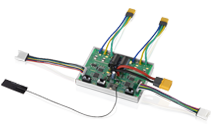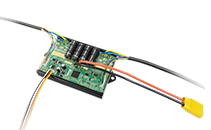
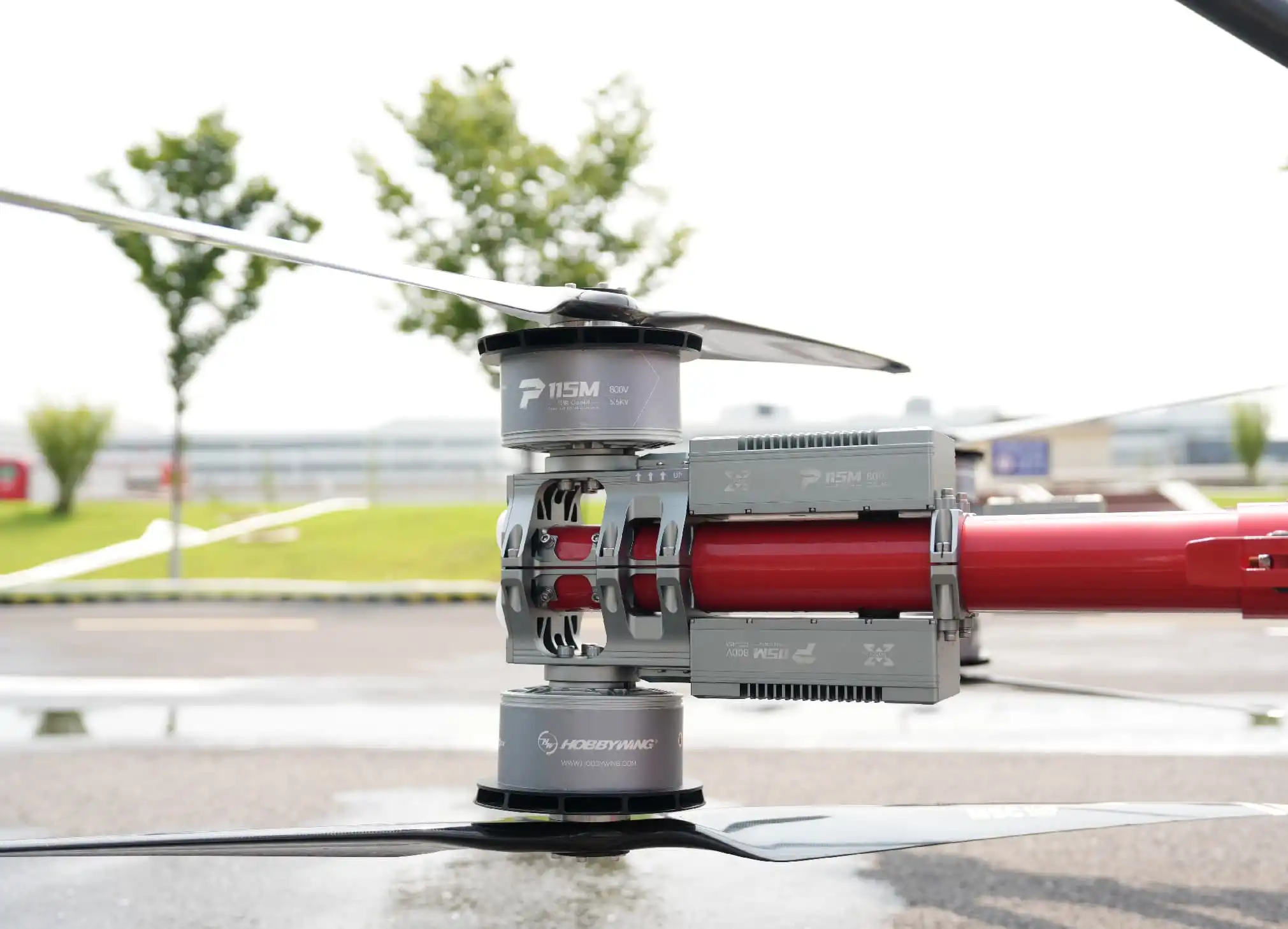
Drone Flight Controller Adaptation Logic for 400–800V High-Voltage Propulsion Systems
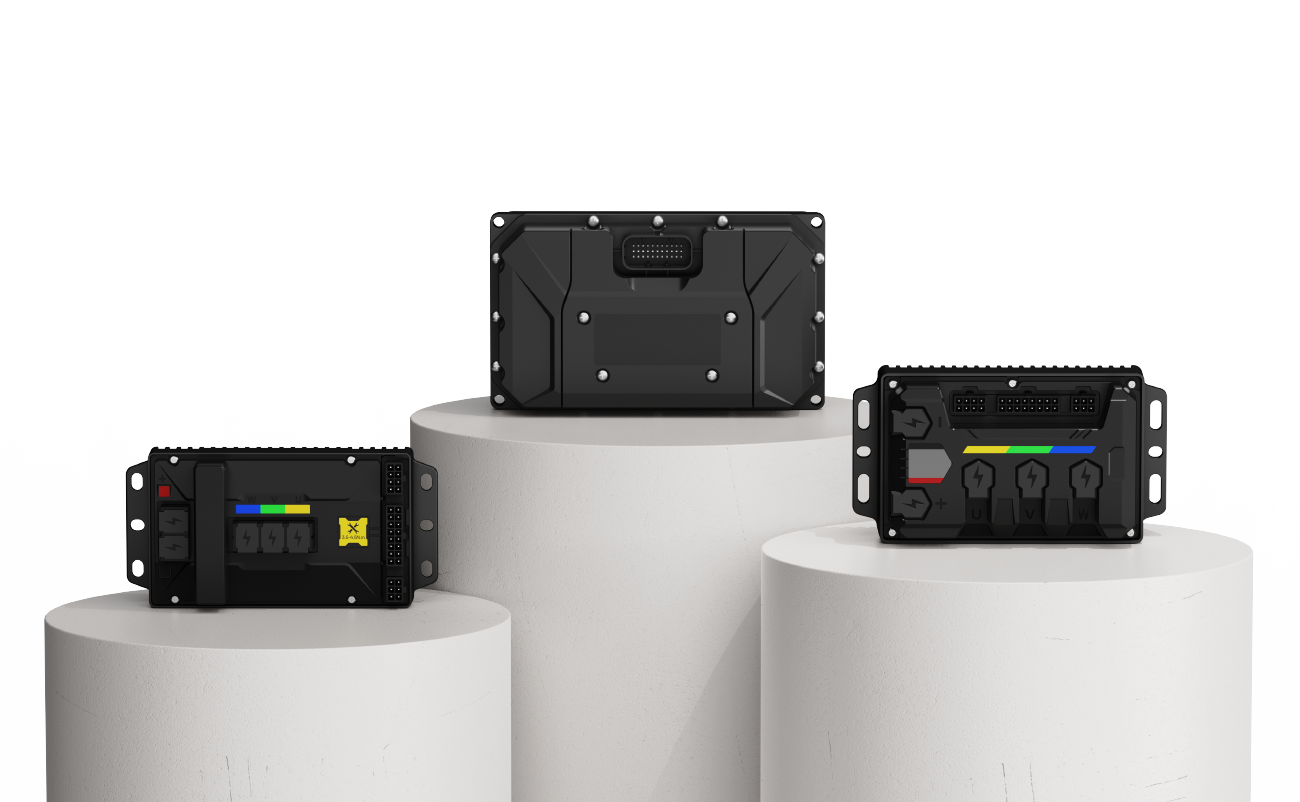
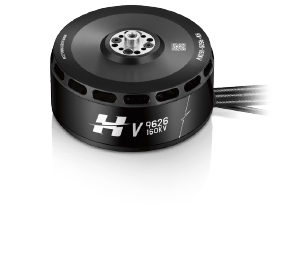
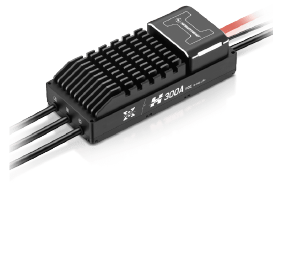
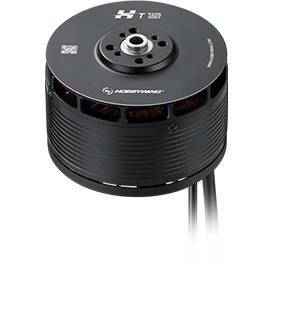
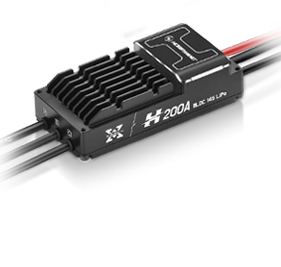
When deploying 400V~ 800V UAV propulsion systems, selecting the right flight controller is critical to ensuring stable, efficient, and reliable operation. Here are three key capabilities to consider.
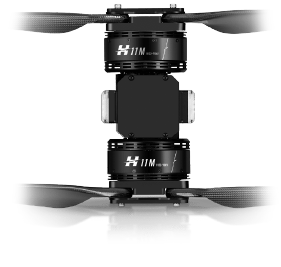
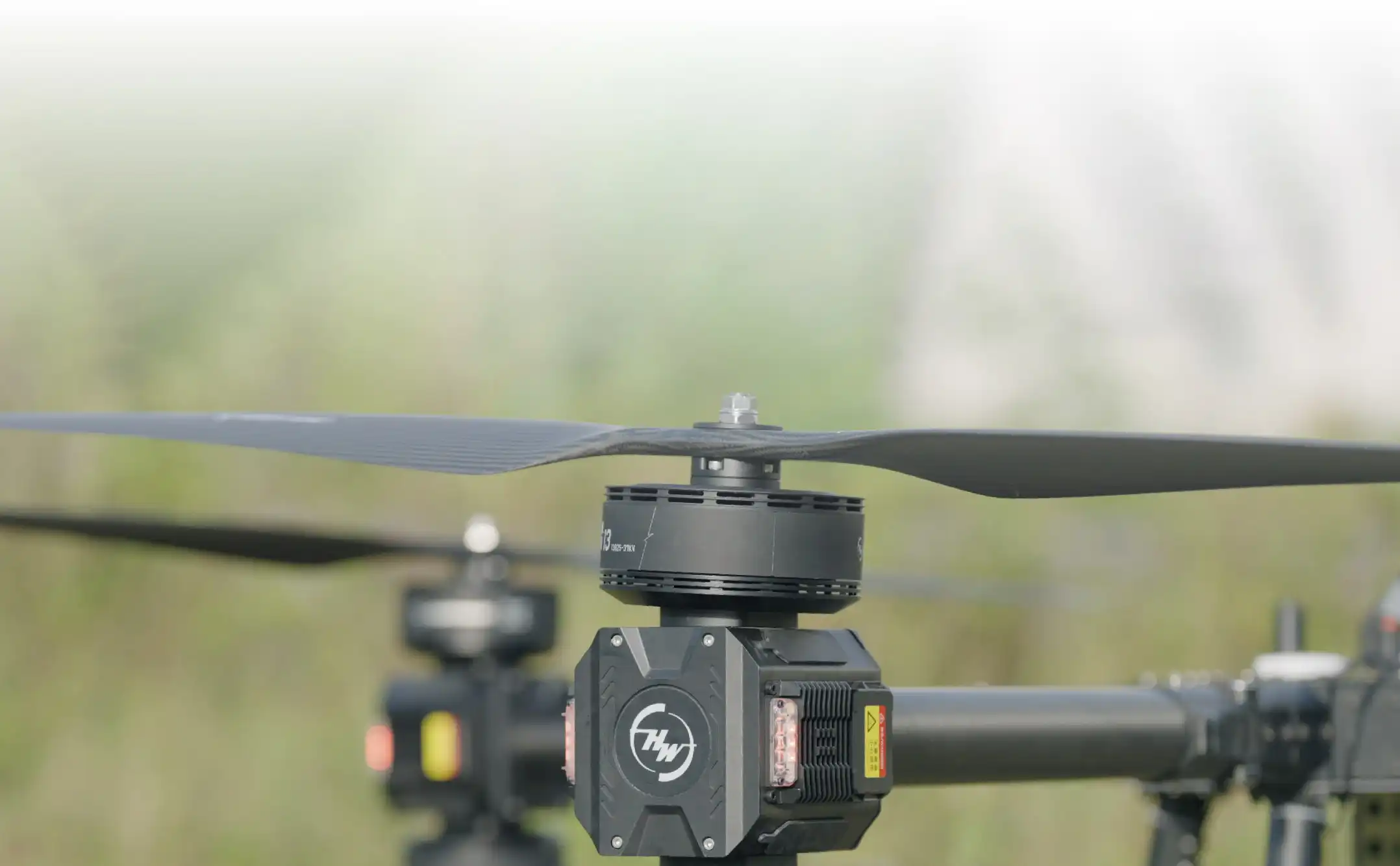
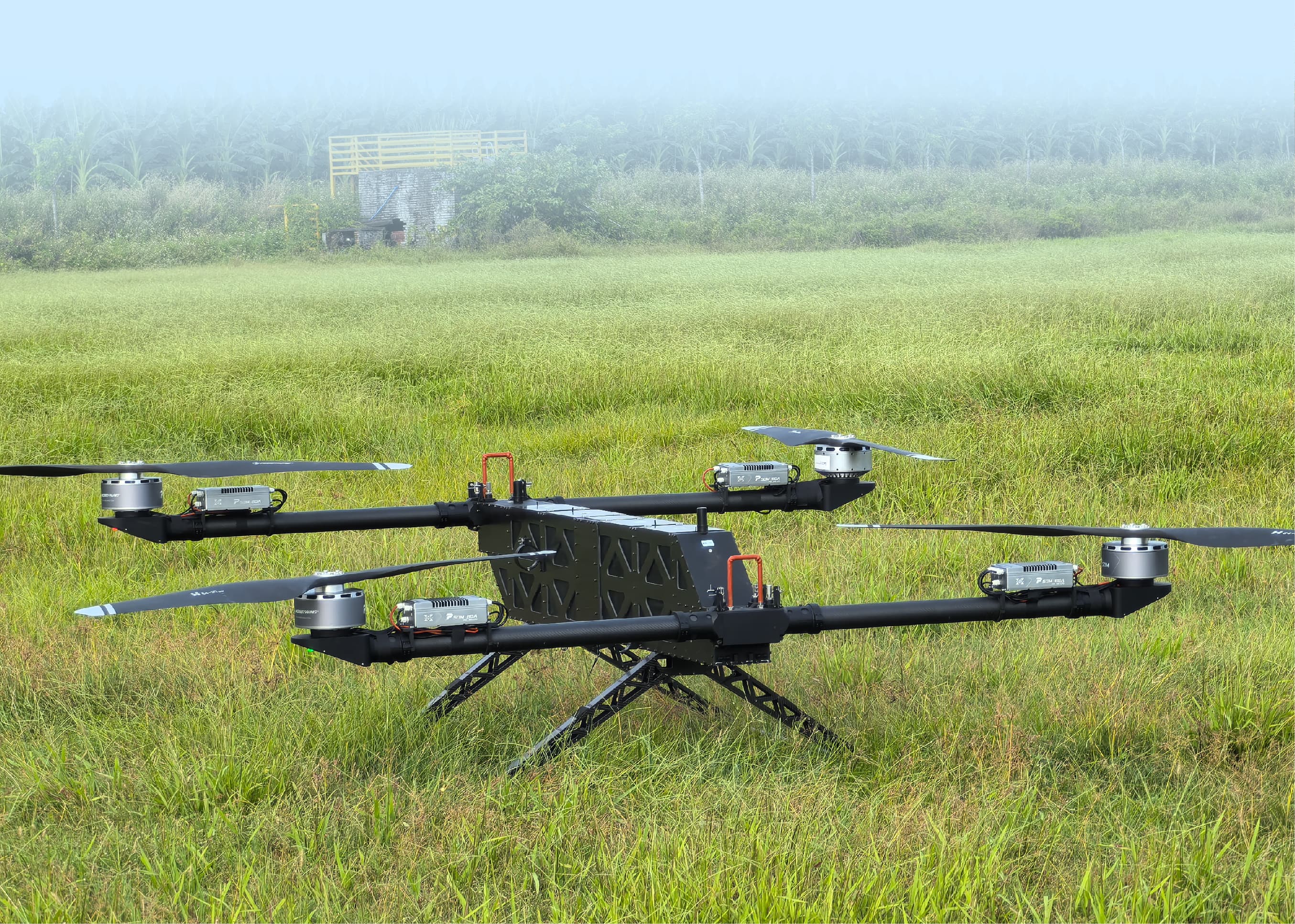
HOBBYWING Coaxial Propulsion with 3° Tilt Angle: Enabling Efficient Long-Range, Heavy Payload Drone Delivery
In today’s rapidly advancing drone technology landscape, heavy-lift UAVs are playing an increasingly vital role across industries such as cargo delivery, logistics, surveying, and emergency rescue.
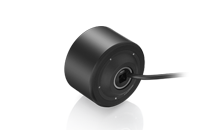
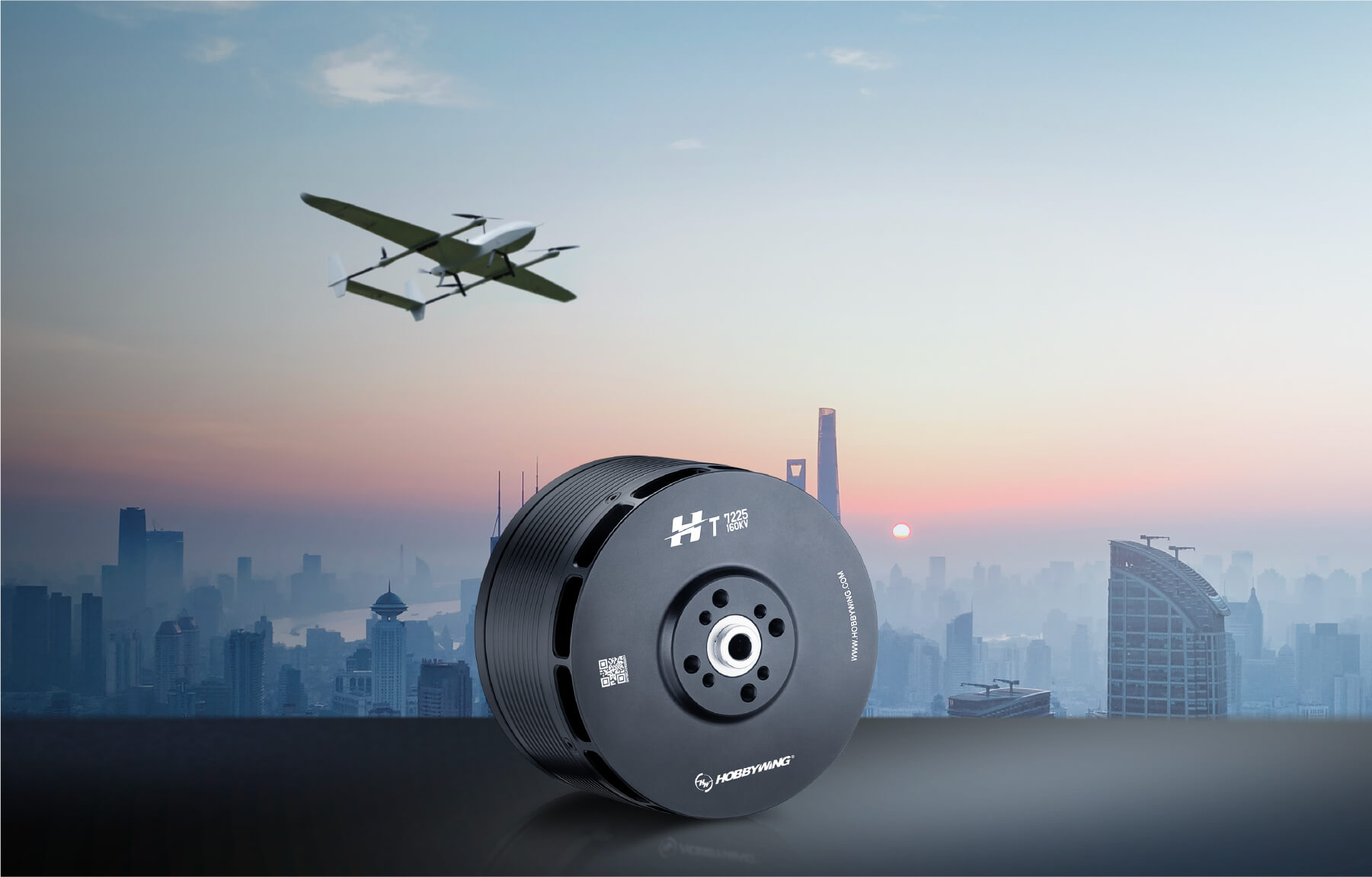
HOBBYWING C7225 Motor, The Ideal Power Solution for Electric Fixed-Wing UAV Drones
HOBBYWING C7225 fixed-wing drone motor is the ideal choice for electric fixed-wing UAVs, combining powerful thrust with outstanding reliability. Available in 160KV and 190KV versions, this drone motor serves as an ideal electric alternative to traditional 40CC gasoline engines.
Key Considerations for Using P Series High-Voltage Propulsion Systems On Heavy-Duty Drones
Heavy-duty cargo drones are increasingly deploying 400–800 V high-voltage propulsion systems to reduce overall weight, lower current, and enhance reliability.
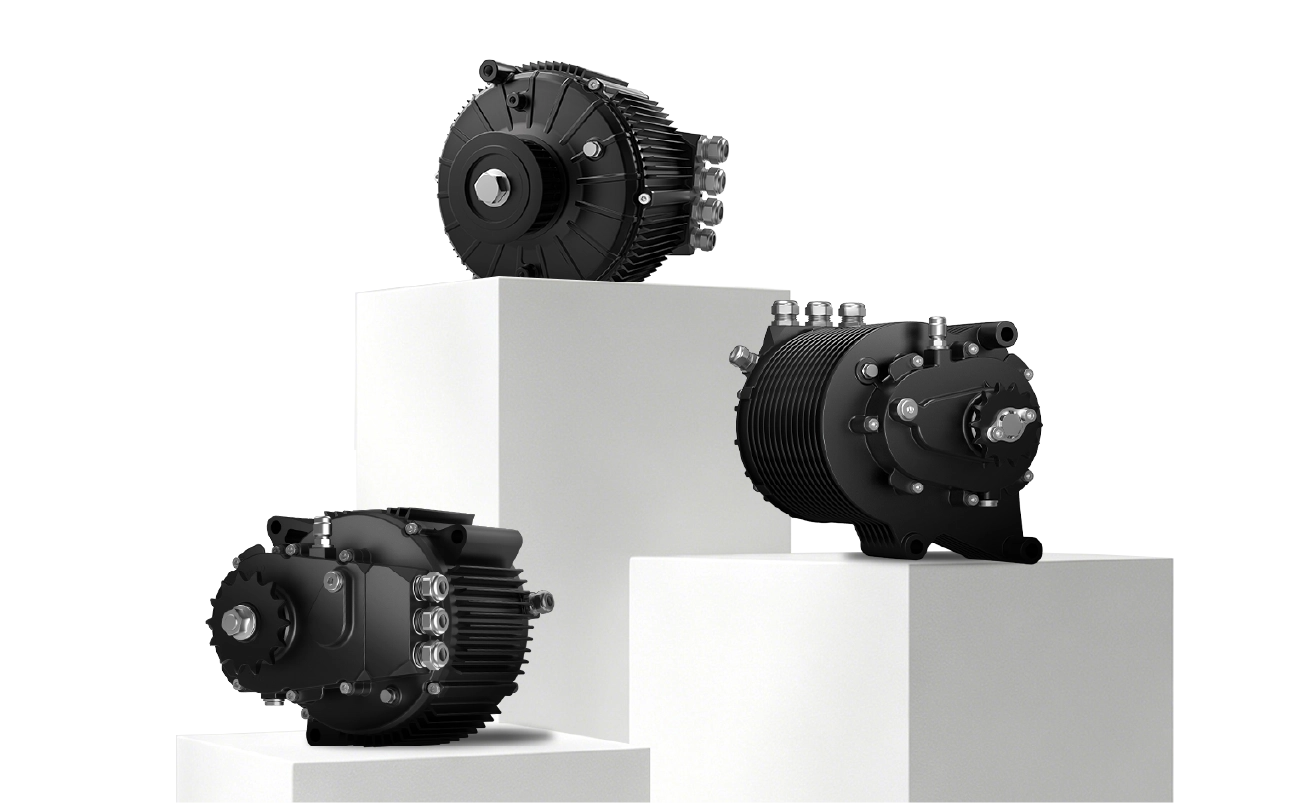
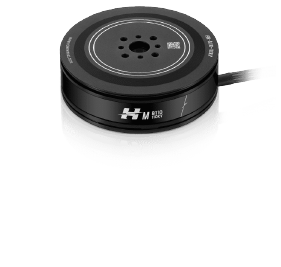
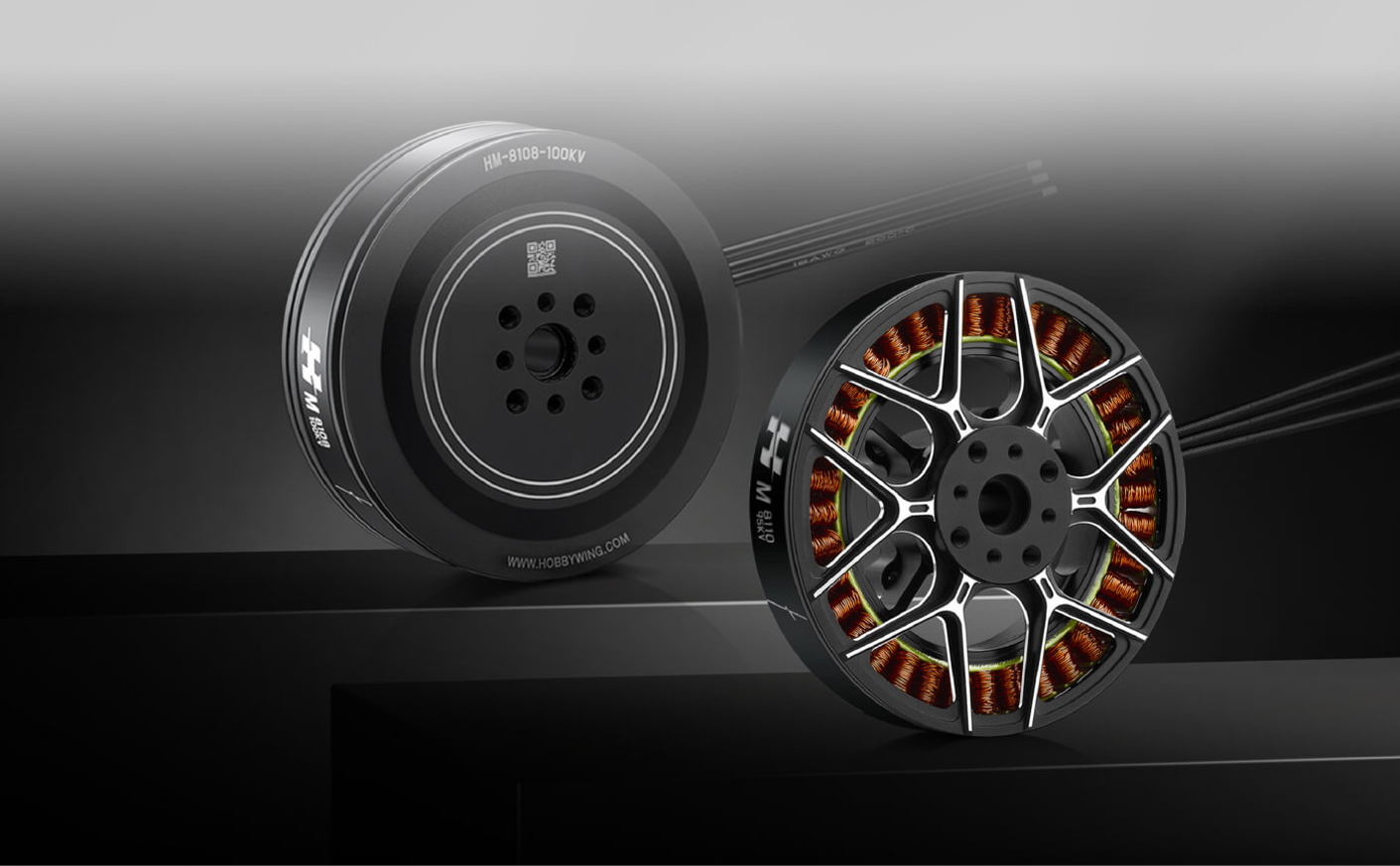
What’s the Difference Between UL and HP Multirotor Motors?
HOBBYWING M series motors are designed specifically for industrial multirotor UAVs, with a focus on high efficiency and long endurance.
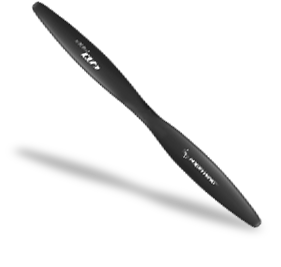
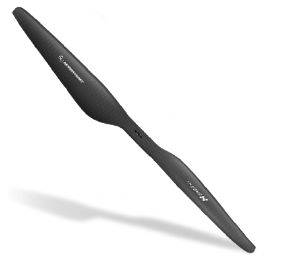
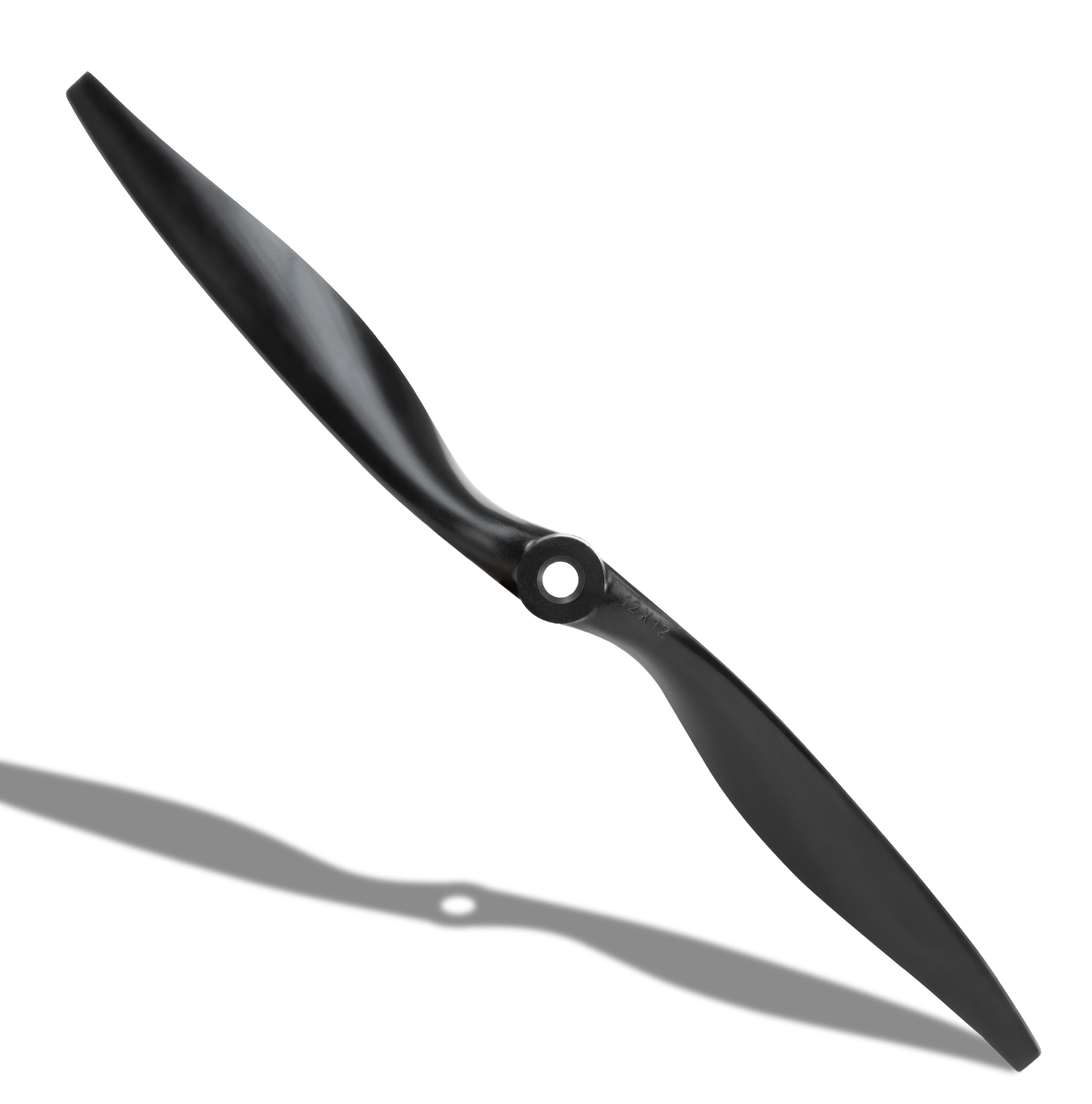
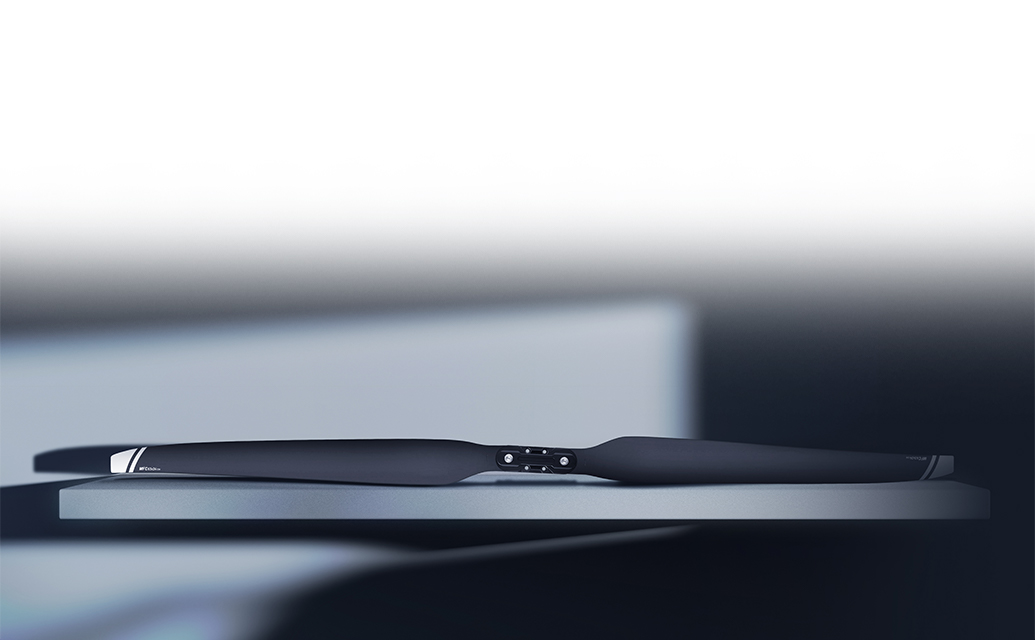
Unlock Propeller Materials for Optimal Drone Flight Performance
Drone propellers convert the output power of motors or engines into thrust by rotating the blades, serving as one of the core propulsion components of drones.
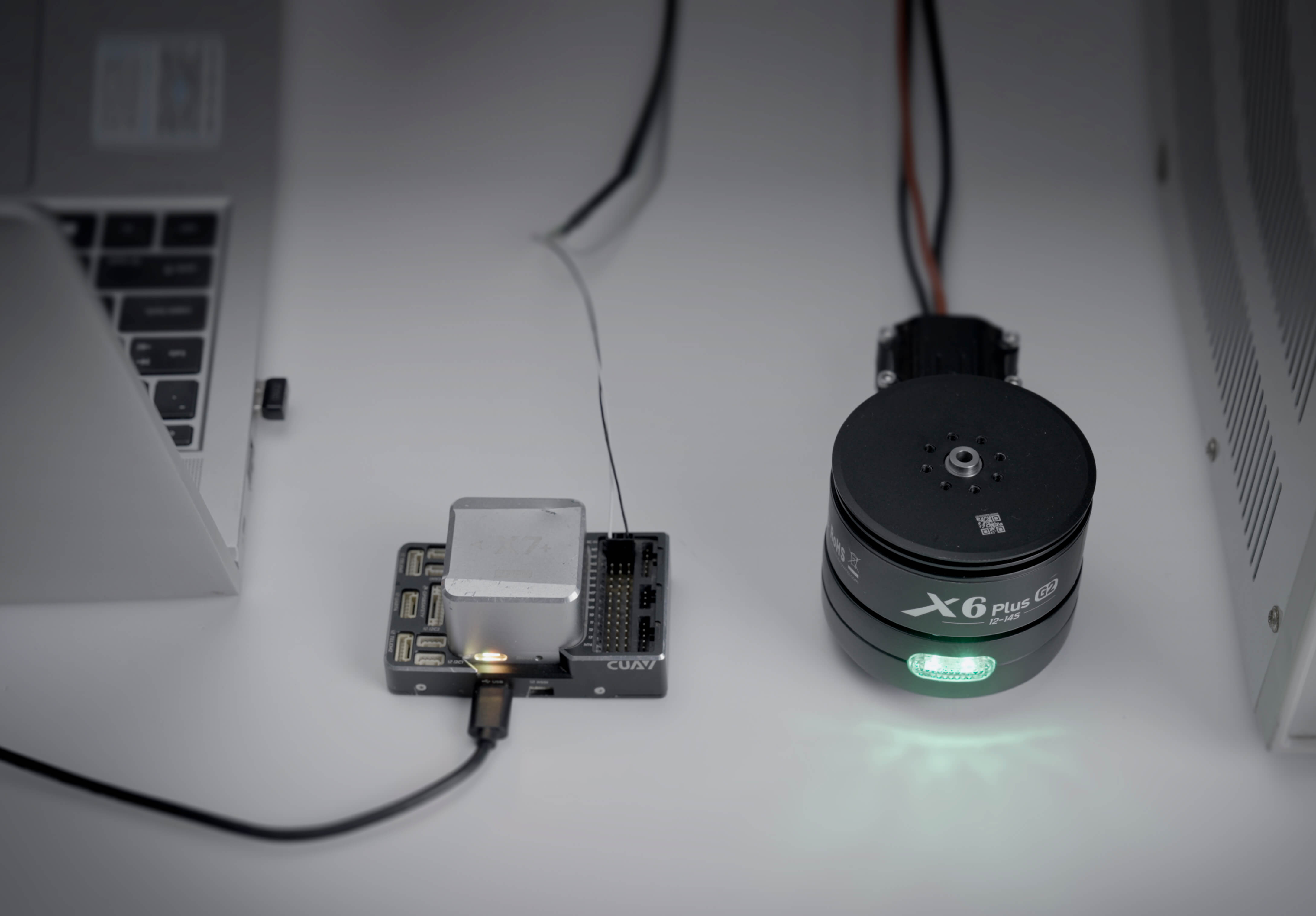
How to Set PWM Throttle Range for HOBBYWING Drone Propulsion System on ArduPilot?
For users operating drones with the ArduPilot flight controller, adjusting the PWM throttle range through the Mission Planner ground station is an essential step.

NEWS CENTER
HOBBYWING Coaxial Propulsion with 3° Tilt Angle: Enabling Efficient Long-Range, Heavy Payload Drone Delivery
In today’s rapidly advancing drone technology landscape, heavy-lift UAVs are playing an increasingly vital role across industries such as cargo delivery, logistics, surveying, and emergency rescue.
Learn More >
HOBBYWING C7225 Motor, The Ideal Power Solution for Electric Fixed-Wing UAV Drones
HOBBYWING C7225 fixed-wing drone motor is the ideal choice for electric fixed-wing UAVs, combining powerful thrust with outstanding reliability. Available in 160KV and 190KV versions, this drone motor serves as an ideal electric alternative to traditional 40CC gasoline engines.
Learn More >
Key Considerations for Using P Series High-Voltage Propulsion Systems On Heavy-Duty Drones
Heavy-duty cargo drones are increasingly deploying 400–800 V high-voltage propulsion systems to reduce overall weight, lower current, and enhance reliability.
Learn More >
What’s the Difference Between UL and HP Multirotor Motors?
HOBBYWING M series motors are designed specifically for industrial multirotor UAVs, with a focus on high efficiency and long endurance.
Learn More >
Unlock Propeller Materials for Optimal Drone Flight Performance
Drone propellers convert the output power of motors or engines into thrust by rotating the blades, serving as one of the core propulsion components of drones.
Learn More >
How to Set PWM Throttle Range for HOBBYWING Drone Propulsion System on ArduPilot?
For users operating drones with the ArduPilot flight controller, adjusting the PWM throttle range through the Mission Planner ground station is an essential step.
Learn More >